Need a hand?
Monday – Friday (7.30am – 5pm)
Saturday (9am – 4pm)
Monday – Friday (7.30am – 5pm)
Saturday (9am – 4pm)
- Largest range at cheapest price
- Easy Australia-Wide Delivery
- 100% Pure Natural Stone
- Free Samples
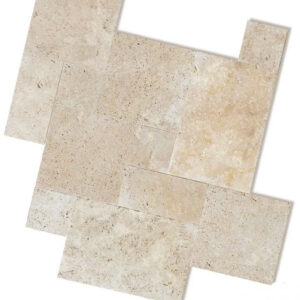
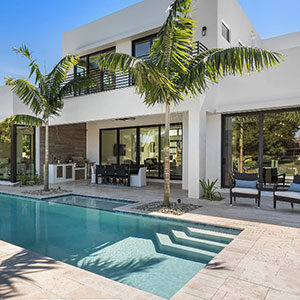
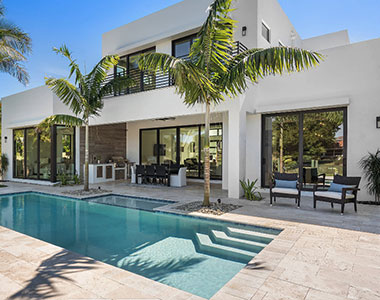
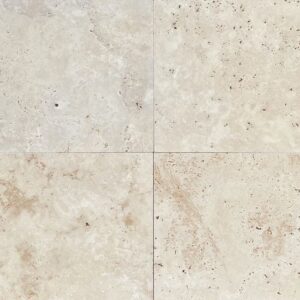
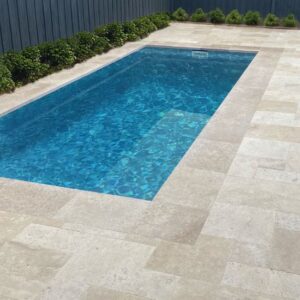
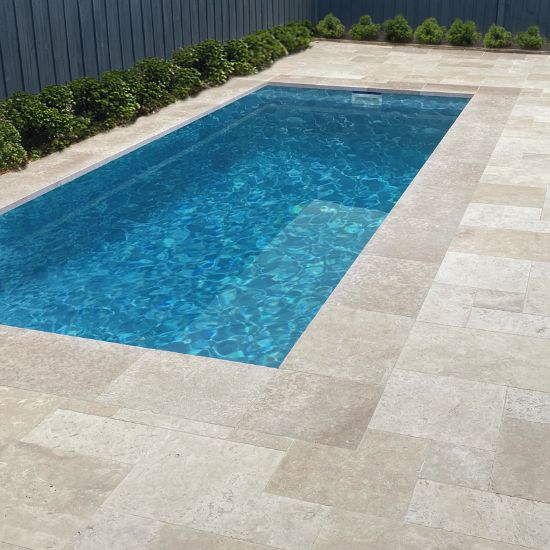
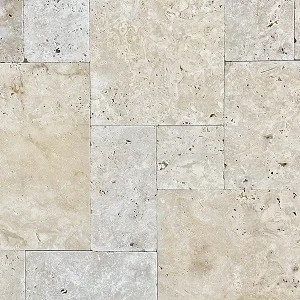
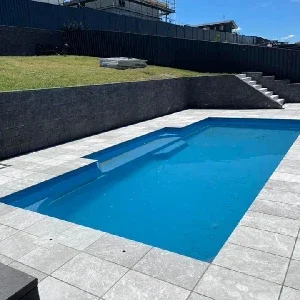
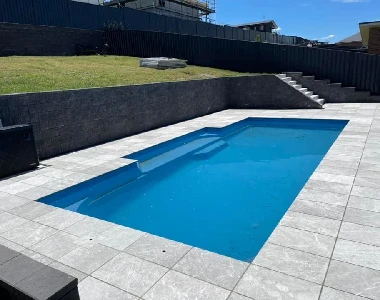
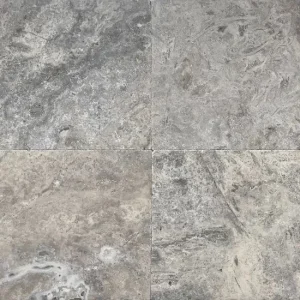
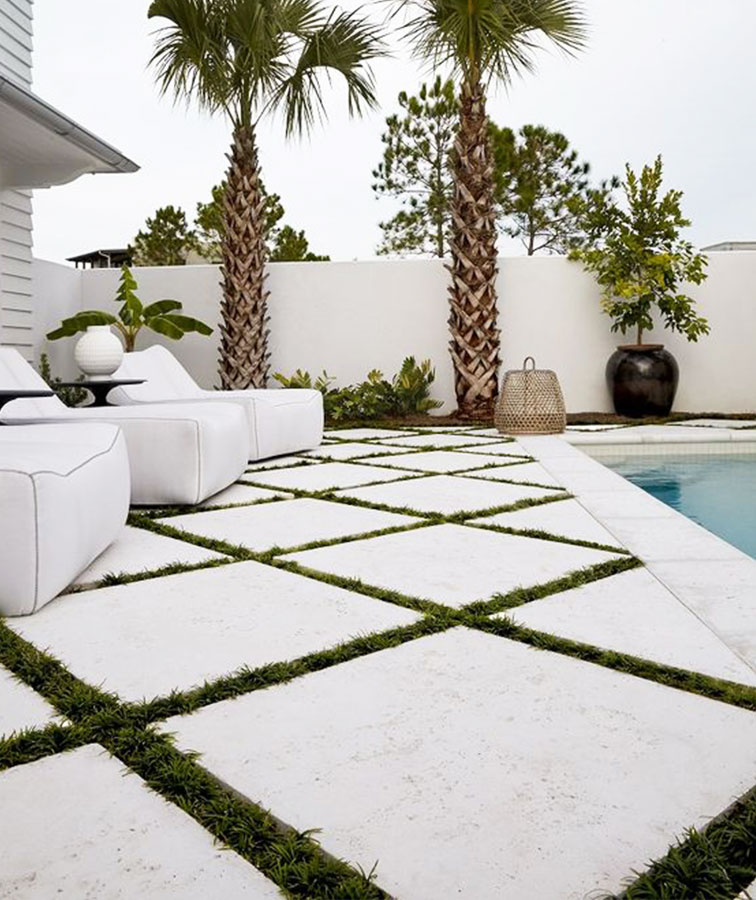
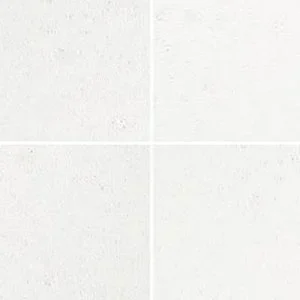
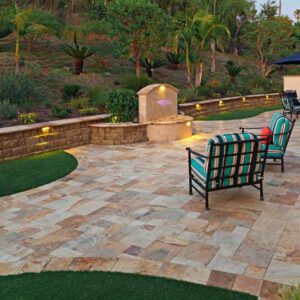
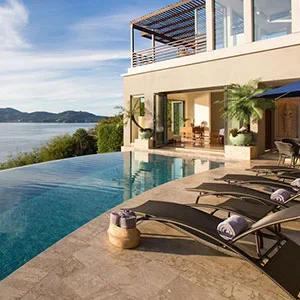
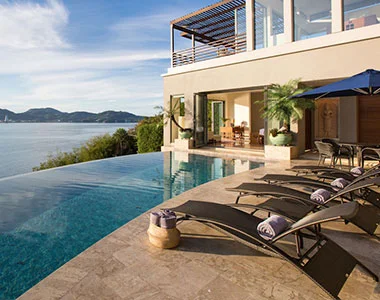
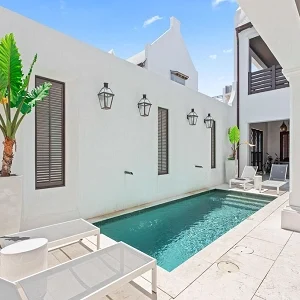
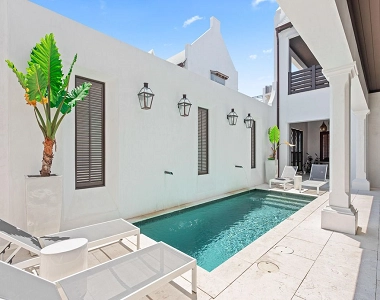
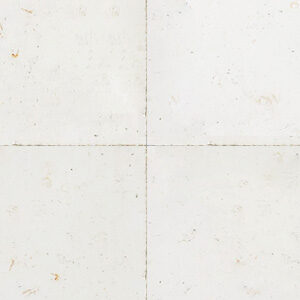
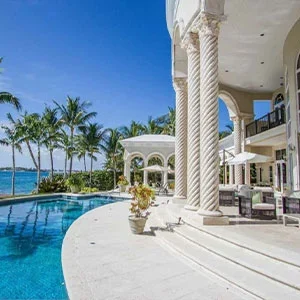
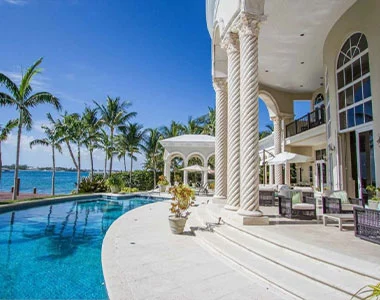
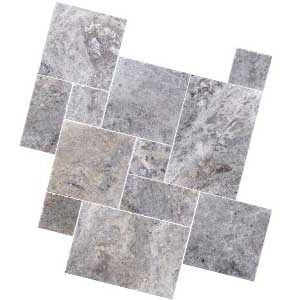
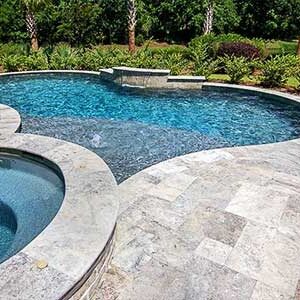
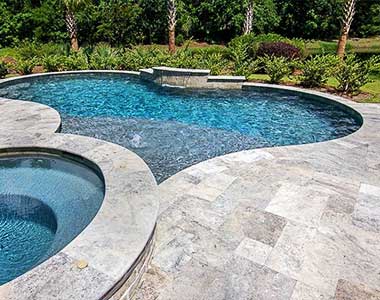
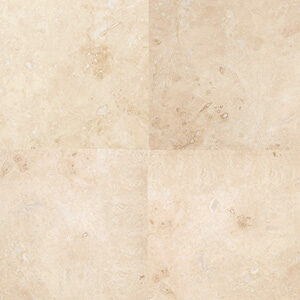
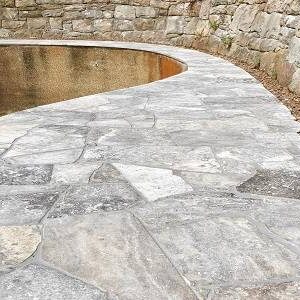
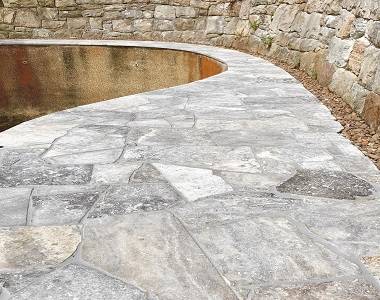
Travertine is a rock formed similarly to limestone. However, during its formation, hot mineral spring water gets filtered through the stone creating the micro holes and voids that give it it’s distinct texture. These micro surface holes are what gives travertine its high non slip rating of P4-P5, making them the perfect choice for outdoor tiles around your swimming pool.


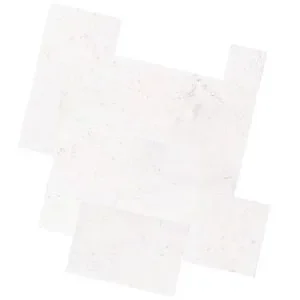
Answer: Travertine tiles are a type of natural sedimentary stone (a form of limestone) composed mainly of calcium carbonate. They are formed near mineral springs and limestone caves. They are characterized by unique porous textures and are highly valued for their durability and timeless, earthy aesthetic. They are typically cut into a 12mm thickness for indoor and wall applications.
Answer: Travertine tiles should be laid using a flexible, high-quality tile adhesive (such as a cement-based flexible adhesive). The subfloor must be clean, stable, and flat. For outdoor pavers (thicker stone), they can be laid on a stable road base/sand base or a concrete slab. We recommend consulting a professional tiler or landscaper to ensure the correct base preparation and adhesion method is used for your specific project.
Answer: The best sealer is a high-quality, penetrating or impregnating sealer (often a Modified Silane Sealer). This type of sealer penetrates the pores of the stone, creating a barrier against moisture and stains without altering the natural, non-slip texture. Sealing is essential for all travertine tiles, especially those used in wet areas like bathrooms or around pools, and for maintaining longevity.

Answer: Yes, travertine tiles require grout. Grout serves several purposes: it stabilizes the installation, prevents water penetration between tiles, and handles minor movement. The width of the grout joint will depend on the tile’s finish (tumbled tiles often require a slightly wider joint than honed tiles). We recommend the use of MAPEI grouts.
Answer: The best grout colour depends on the aesthetic you want:
To Match the Stone (Subtle Look): Use a neutral beige, cream, or light grey colour that closely matches the lightest tone of the tile (e.g., bone or light sand). This creates a seamless, natural, expansive look.
To Contrast (Defined Look): Use a slightly darker shade (like a light brown or medium grey) to make the pattern and individual tiles stand out.
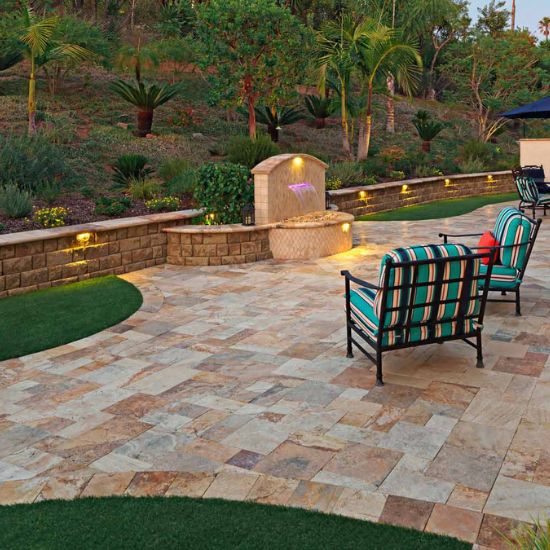
Answer: No, not generally. Travertine is naturally slip-resistant, with a high non slip rating of P4-P5 particularly those with a Tumbled or Brushed finish. The inherent pores and texture of the stone provide excellent grip, making them a top choice for wet areas like pool surrounds, showers, and alfresco patios. Honed (smooth) finishes are slightly less slip-resistant than Tumbled but are still suitable for many interiors.
Answer: Generally, yes. Travertine is typically more affordable than high-end marble. While both are natural stones (limestone derivatives), marble is denser, often more highly polished, and has a different veining structure that can command a higher price point. Travertine’s bulk availability makes it highly competitive in the Australian market.
Answer: Travertine is extremely durable and has been used in construction for thousands of years (e.g., the Roman Colosseum). When properly installed and maintained (regular cleaning and re-sealing every few years), travertine tiles can easily last the lifetime of your property.
Answer: No, maintenance is straightforward but requires specific care.
Easy Maintenance: Regular sweeping and mopping with plain water or a pH-neutral stone cleaner is usually all that is needed.
Key Requirement: They are sensitive to acid. NEVER use acidic cleaners such as vinegar, bleach, or common bathroom cleaners, as these will etch (permanently dull) the stone’s surface.
Answer: The main difference is thickness and intended use. Tiles are typically 12mm thick and used for interiors (floors, walls, bathrooms) over a concrete slab. Pavers are thicker (usually 30mm) and are built for outdoor use, capable of being laid on a sand/road base and withstanding high traffic.
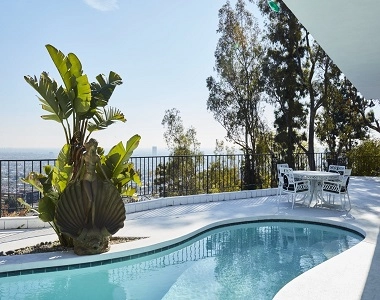
Answer: Yes, but they must be sealed. Travertine is one of the best stones for pool areas because it stays cool. If exposed to salt water, it must be sealed with a high-quality, salt-resistant penetrating sealer (e.g., a Modified Silane formula) to prevent salt penetration and erosion.
Answer: The pores (or pits) in unfilled travertine do not hold dirt if the stone is properly sealed. Sealing creates an invisible barrier over those pores, preventing water and dirt from entering. If the stone is Honed and Filled, the pores are already filled with cement/epoxy at the factory.
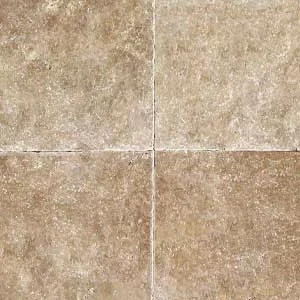
Answer: Prices for travertine are nearly always listed per m2 and not per individual tile. The price range $42.00m2 to $89.00m2, reflects the cost m2 based on the stone’s colour, finish, and grade.