Need a hand?
Monday – Friday (7.30am – 5pm)
Saturday (9am – 4pm)

Limestone

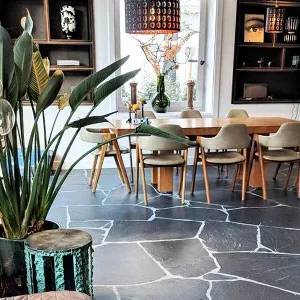
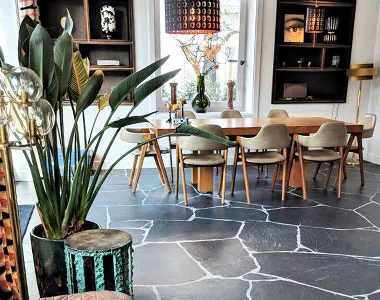
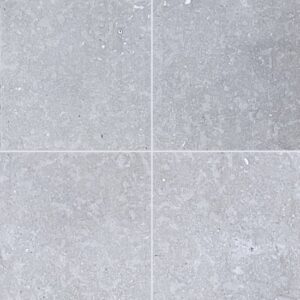
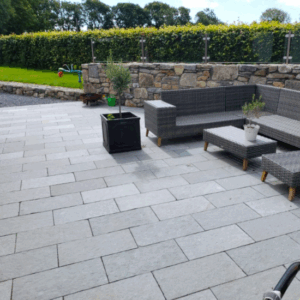
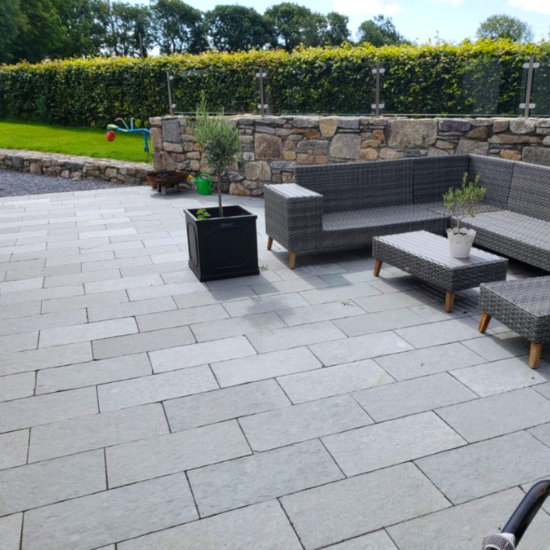
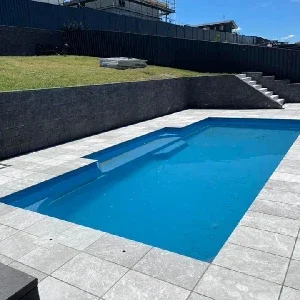
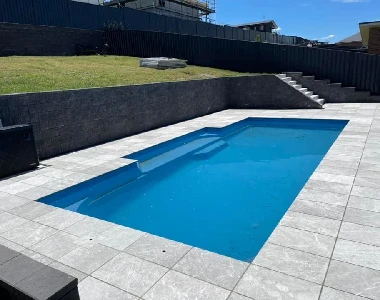
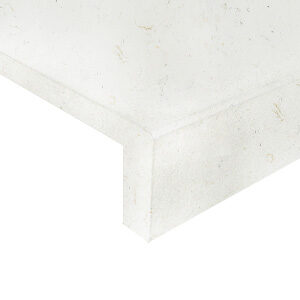
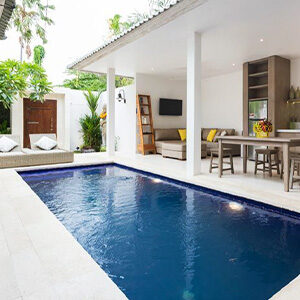
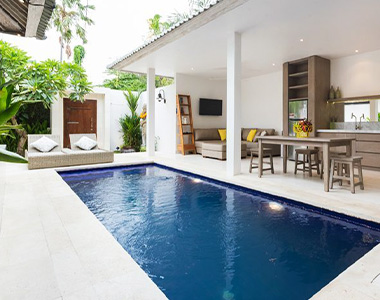
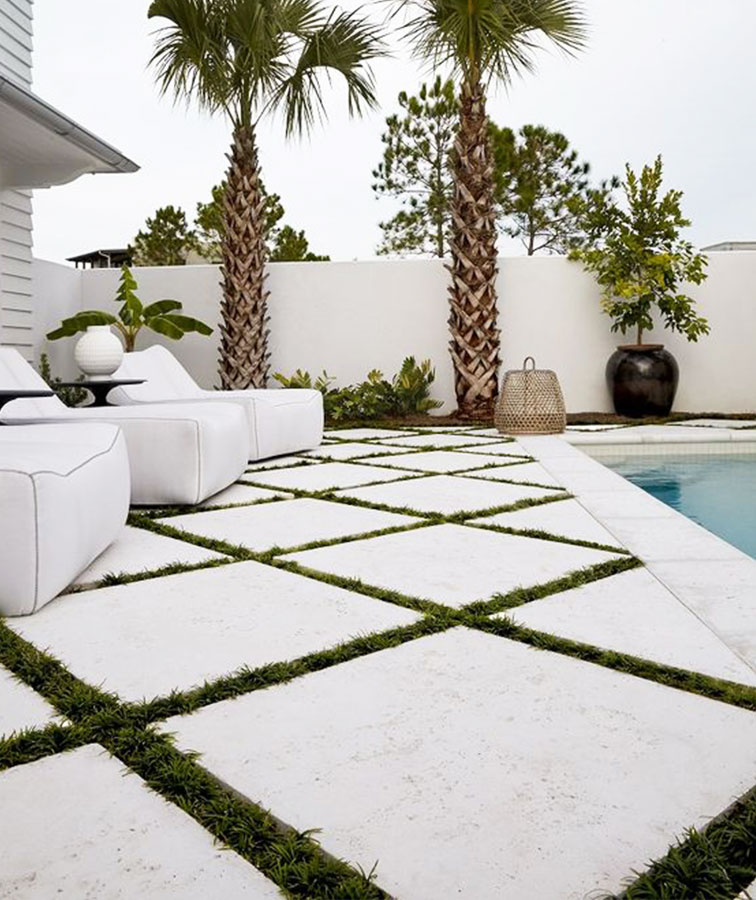
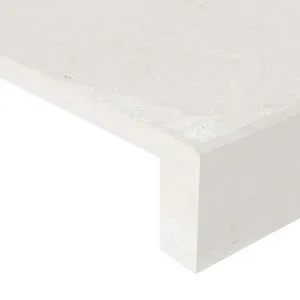
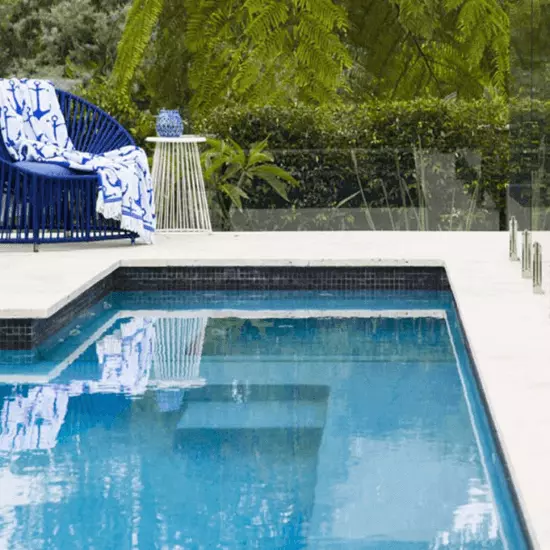
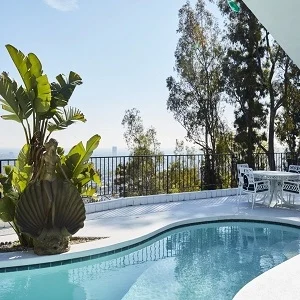
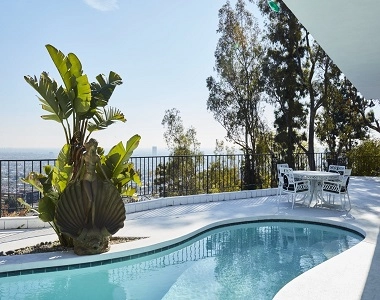
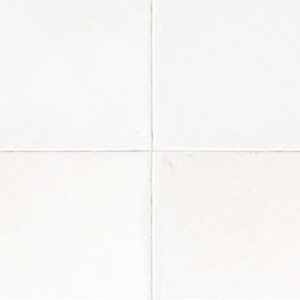
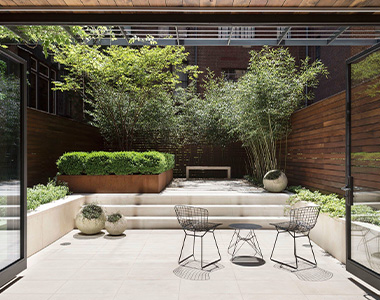
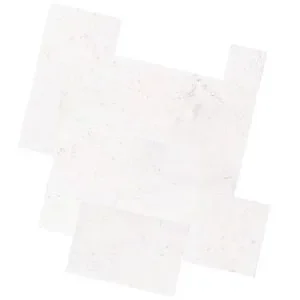
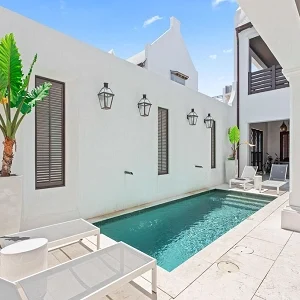
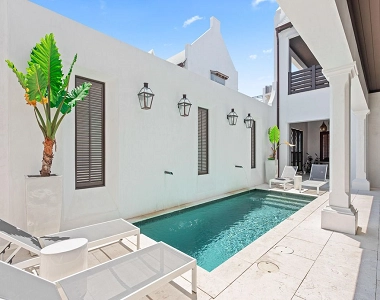
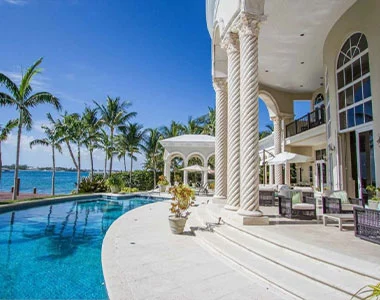
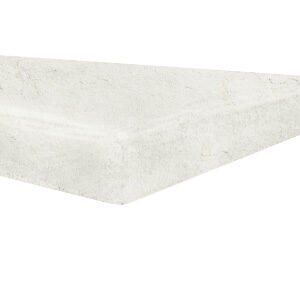
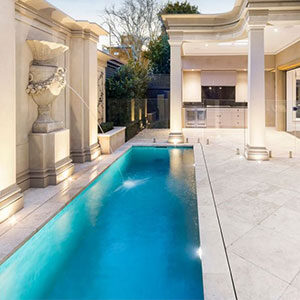
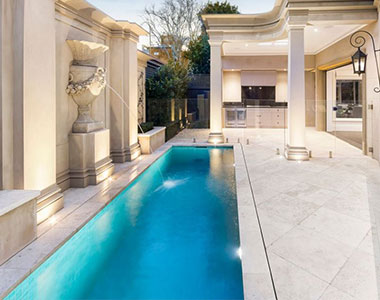
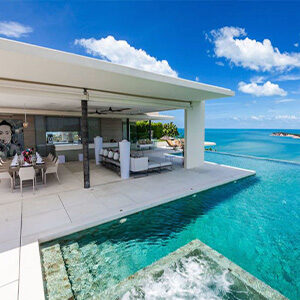
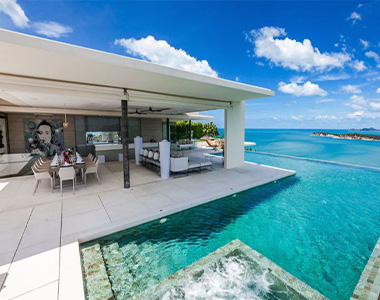
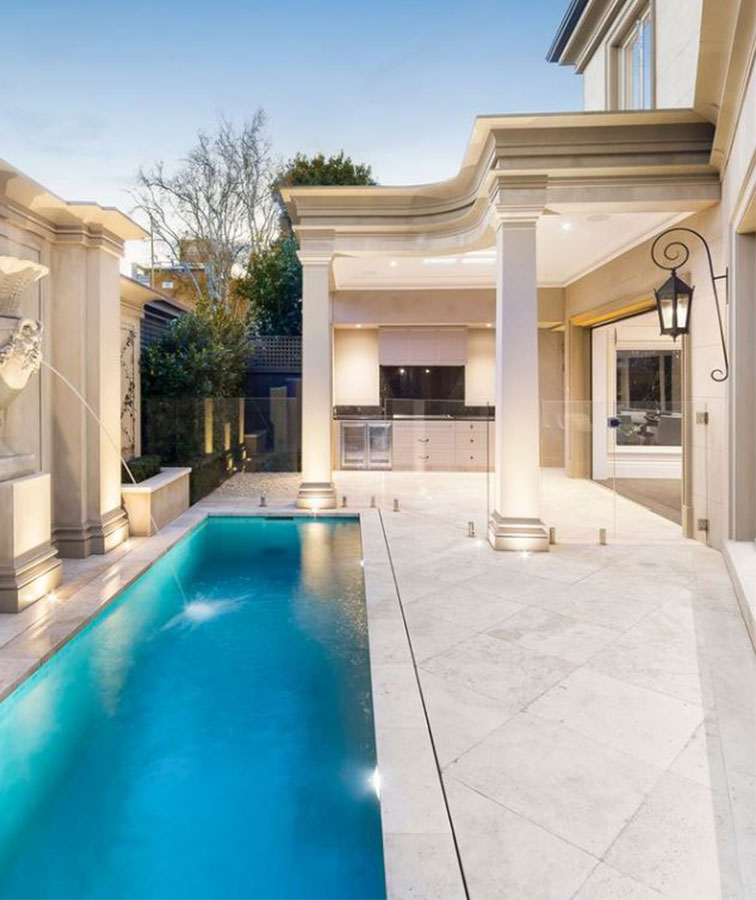
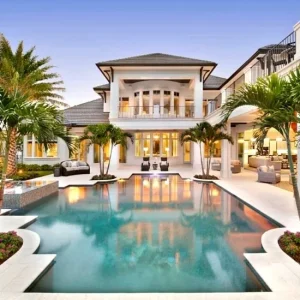
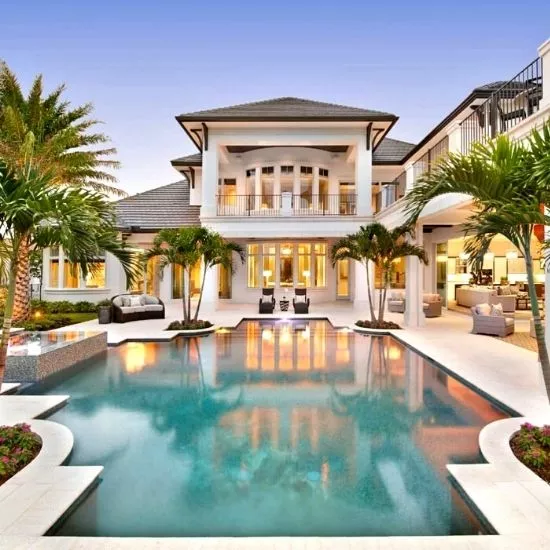
Beautiful luxury Limestone pavers Melbourne are perfect for outdoor application such as pool paving, garden sitting area, patio paving, stepping stones, driveway pavers and other outdoor pavings. You can also use limestone tiles for indoor flooring and wall cladding.

🪨 Limestone Tiles & Pavers: Frequently Asked Questions (FAQ)

Answer: Limestone is a natural sedimentary rock primarily composed of calcium carbonate, often containing fossil fragments and shell remnants. It is technically related to Travertine (which is a form of freshwater limestone).


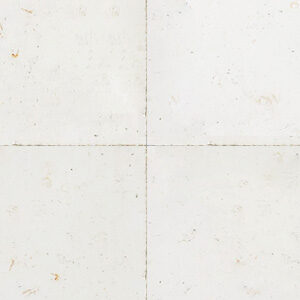
  • Key Difference: Limestone is generally less porous and denser than Travertine, with a more uniform, subtle colour and texture, lacking the large, distinct pits/pores found in unfilled Travertine.

Answer: Yes, provided you choose the correct finish and thickness. Limestone is softer than granite and bluestone, so quality matters.

  • Pavers (Outdoor): 30mm thick pavers are suitable for patios and pool decks.

  • Tiles (Indoor): Thinner tiles are excellent for living areas and bathrooms.

  • Durability: Its fine grain and strength are adequate for most residential use, but its surface can be susceptible to etching from acids.

Answer: Absolutely, yes. Sealing is mandatory for limestone. Limestone is a calcium-based stone, making it highly susceptible to staining and etching from acidic liquids.


  • The Sealant: Use a high-quality penetrating, impregnating sealer to protect the stone from water, oil, and spills without changing the stone’s natural look. Re-sealing every 2-3 years is recommended for high-traffic or wet areas

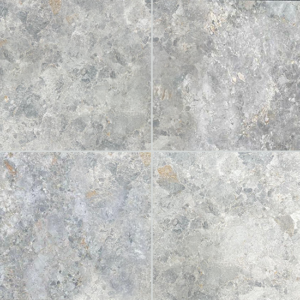
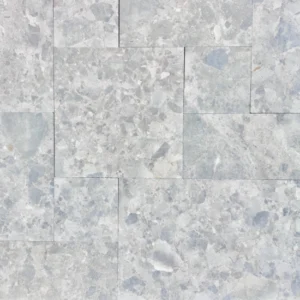
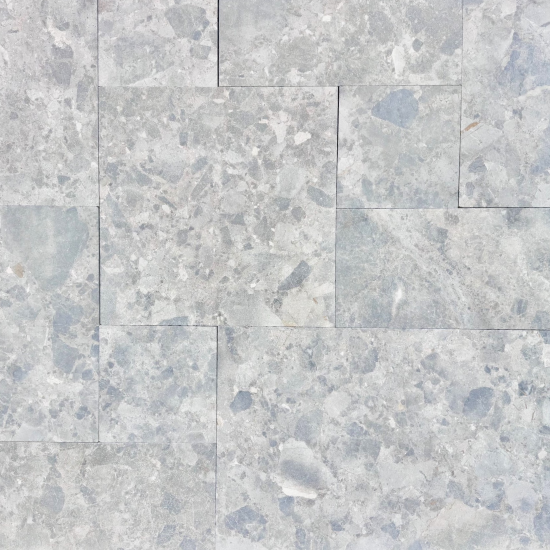
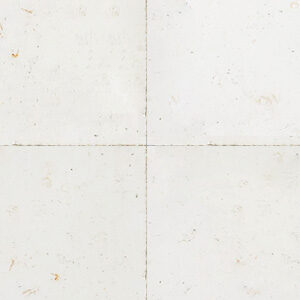
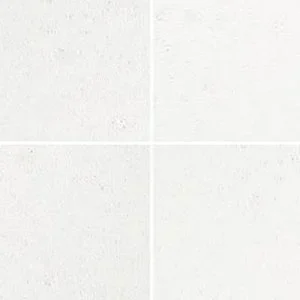
Answer: Limestone is prized for its subtle, uniform colour palette (creams, light greys, and beiges), making it highly versatile:

 
  • Indoor: Luxury bathroom tiles, kitchen floors, and contemporary wall cladding.

     
  • Outdoor: Alfresco entertaining areas, pool coping, and low-traffic garden pathways where a classic, refined look is desired.

Answer: Yes, but with caution and strict maintenance. Salt can slowly erode calcium-based stones. If using limestone near a saltwater pool, you must use a salt-resistant, penetrating sealer designed to create a deeper barrier, and ensure you frequently rinse the area with fresh water.

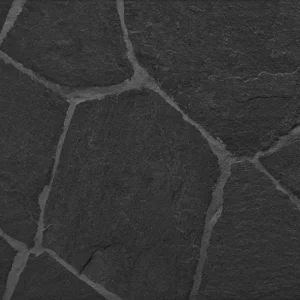
Answer: Maintenance is simple, but strict adherence to cleaning products is essential:

  • Routine Cleaning: Use a soft mop or brush and warm water.
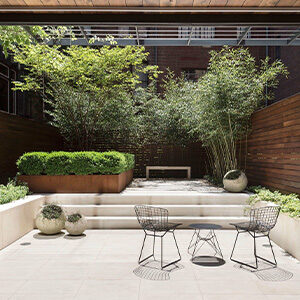
  • Cleaning Product: You must ONLY use cleaners labeled as pH-neutral or “stone safe.”

  • NEVER Use: Vinegar, lemon juice, bleach, ammonia, or standard acidic bathroom cleaners. These liquids will immediately react with the calcium carbonate and cause permanent, dull marks called etching.
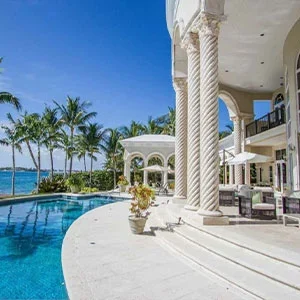
Answer: Limestone is typically available in finishes that emphasize its smooth, matte texture:

  • Honed: Provides a smooth, matte surface that is elegant for interior floors and countertops.

  • Tumbled: Gives a slightly antique, rustic edge and enhances grip for external paving.

  • Sandblasted/Brushed: Creates a slightly rougher, non-slip texture popular for pool decks and patios.

Answer: While beautiful, Limestone is not recommended for kitchen countertops due to its softness and high risk of etching from common kitchen acids (coffee, lemon juice, vinegar, tomato sauce). Granite or Quartz are much better choices for a kitchen countertop surface.

Answer: Limestone will typically maintain its core colour very well. However, outdoor limestone can develop a beautiful patina (a slight softening of the colour and texture) over decades of exposure. This natural aging is often considered desirable.

Answer: Do not use abrasive scrubbing pads or harsh cleaners. For most spills, use a poultice (a paste of baking soda and water) left on the area overnight. For severe, set-in stains, you should consult a professional stone restoration specialist to avoid permanent surface damage.