Need a hand?
Monday – Friday (7.30am – 5pm)
Saturday (9am – 4pm)
Monday – Friday (7.30am – 5pm)
Saturday (9am – 4pm)
- Largest range at cheapest price
- Easy Australia-Wide Delivery
- 100% Pure Natural Stone
- Free Samples
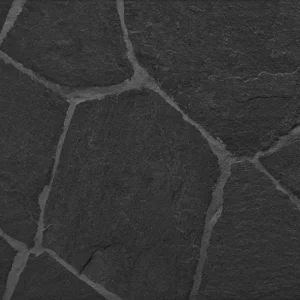
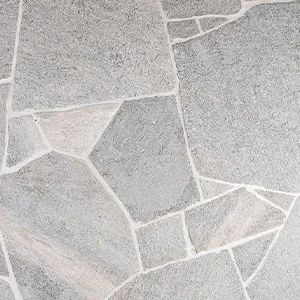
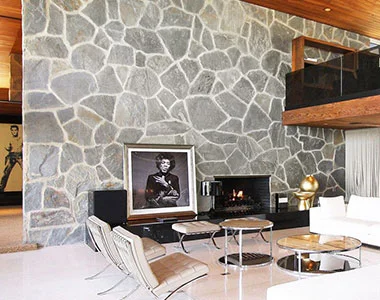
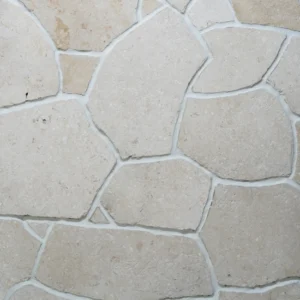
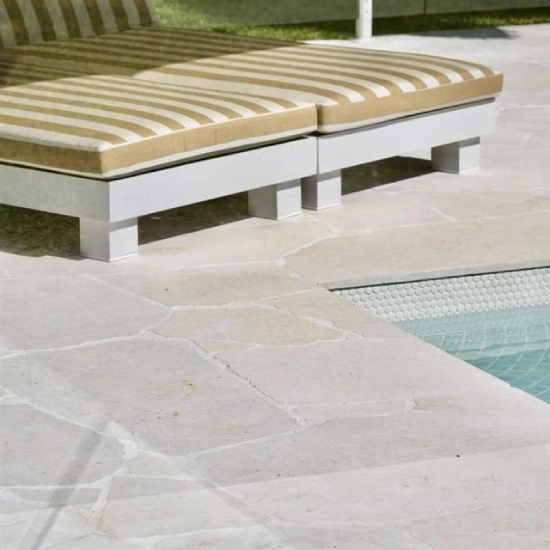
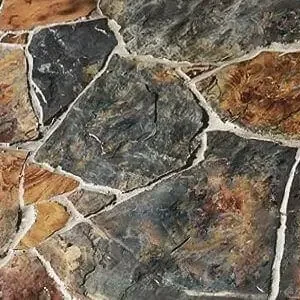
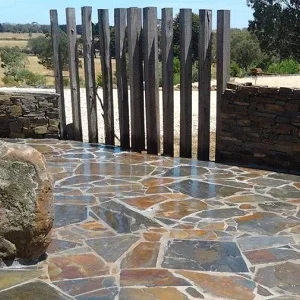
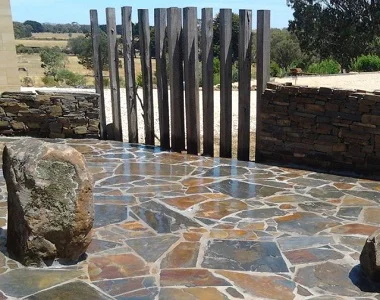
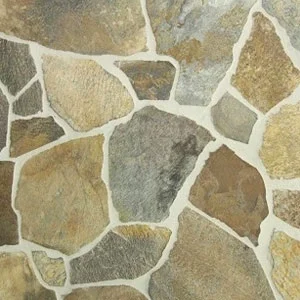
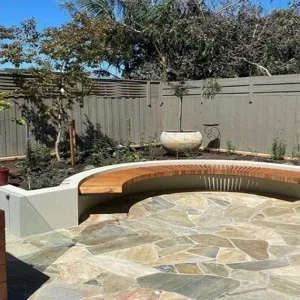
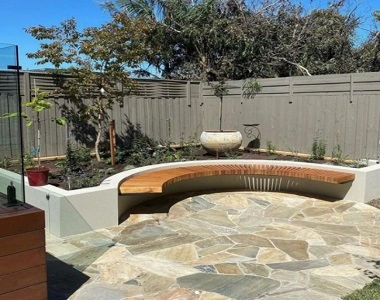
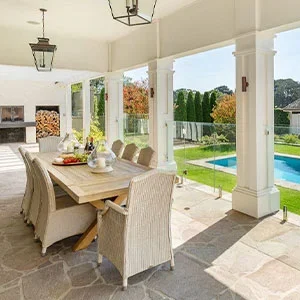
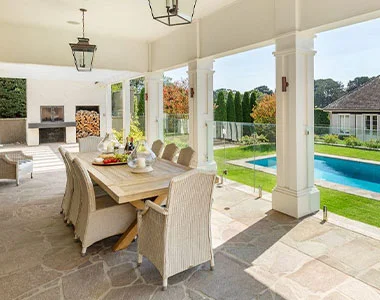
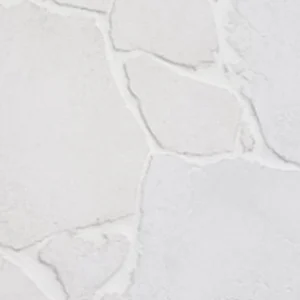
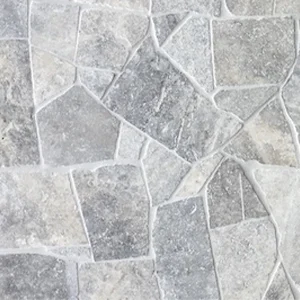
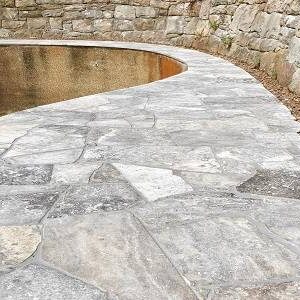
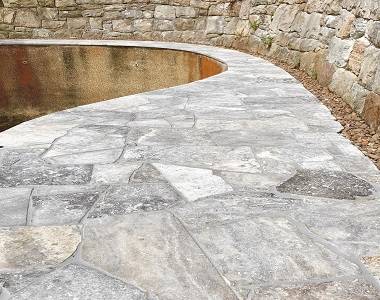
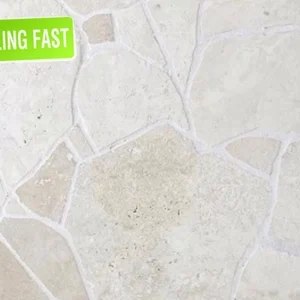
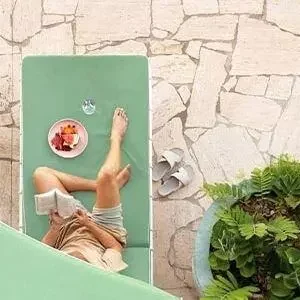
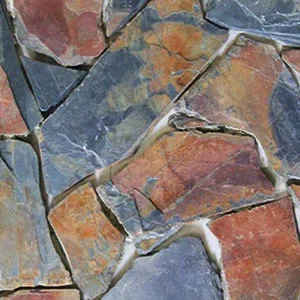
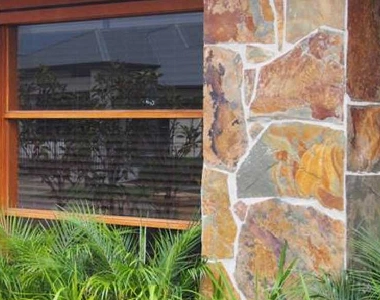
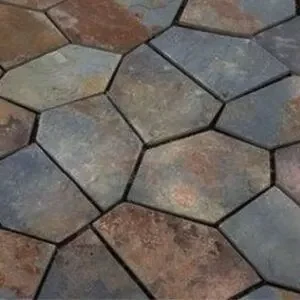
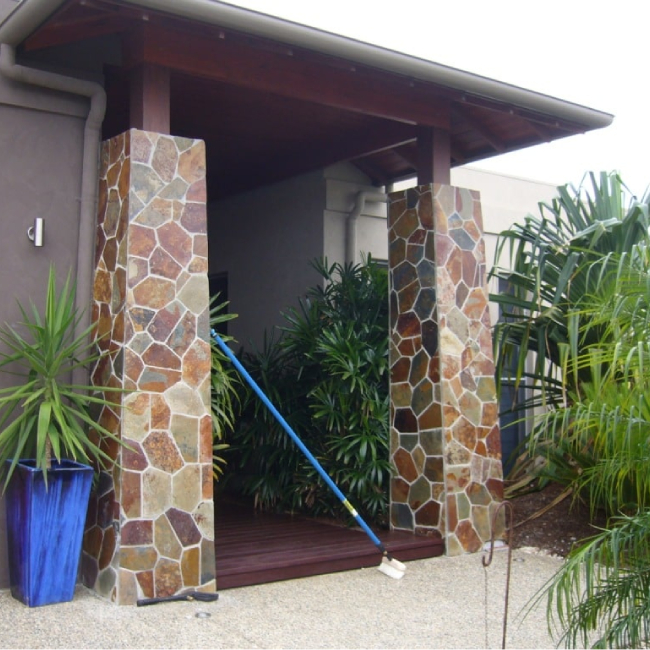
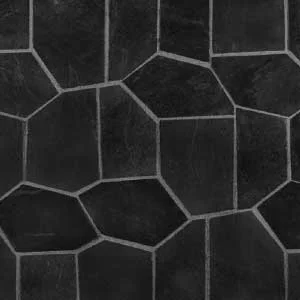
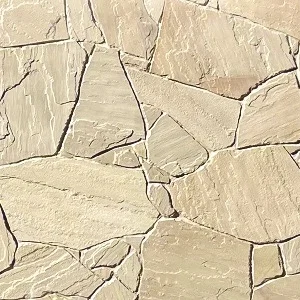
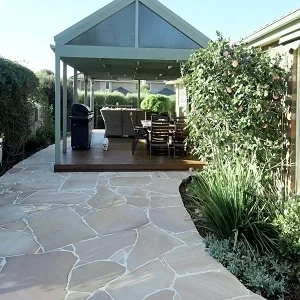
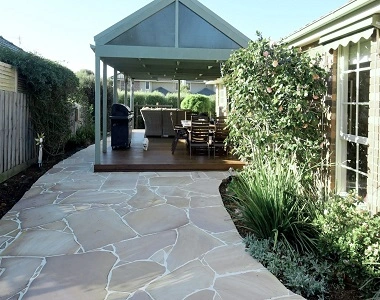
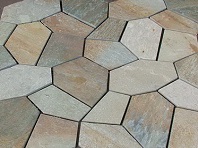
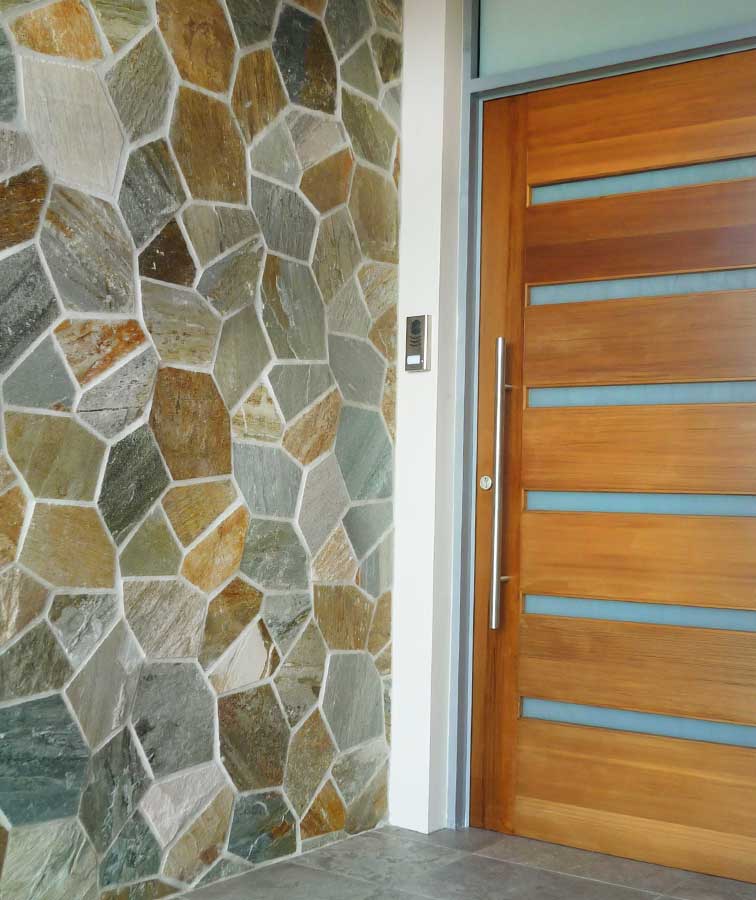
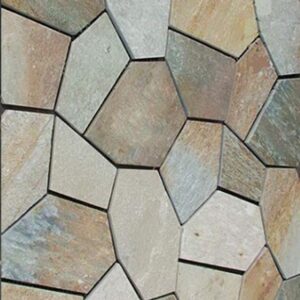
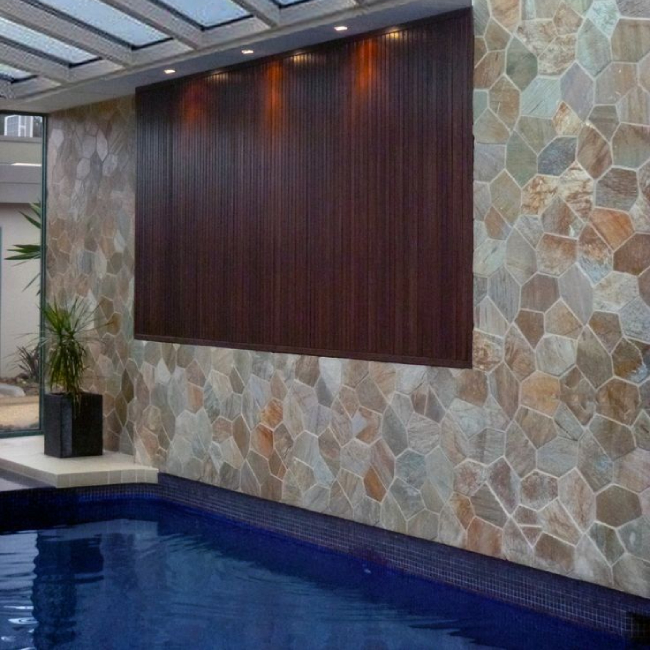
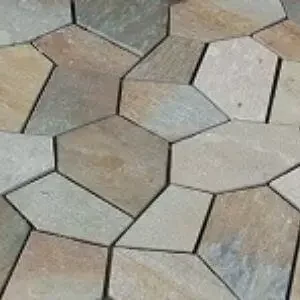
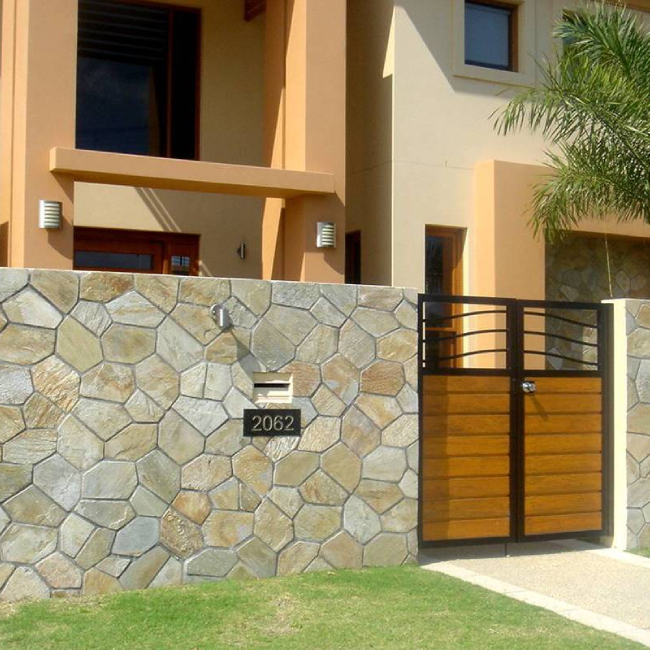
Crazy Paving are naturally tough and highly non-slippery in nature that’s why they are mainly layed in outdoor areas such as around pool, patio, driveways, pool coping and similar paving areas. Stone pavers stock different finishes of crazy paving– bluestone, sandstone, travertine, limestone, slate and quartzite.


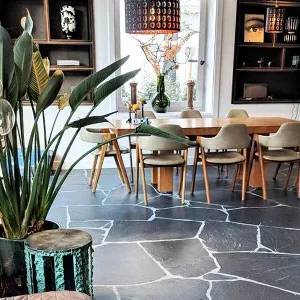
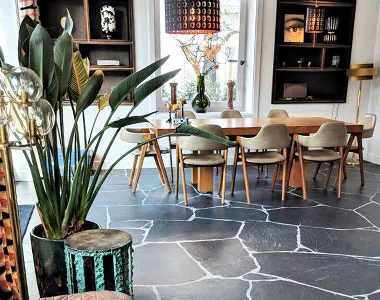
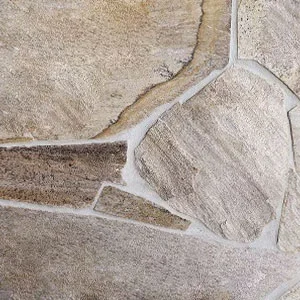
Answer: Crazy Paving is an installation style using randomly shaped and sized pieces of natural stone laid together like a puzzle, with wide grout lines.
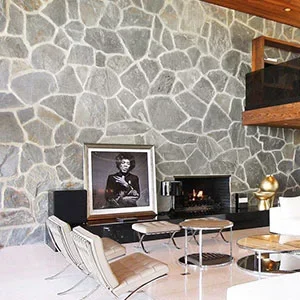
Aesthetics: It provides a unique, rustic, and organic look that works equally well in traditional, Mediterranean, or contemporary architectural styles.
Versatility: It is perfect for winding paths, feature areas, internal courtyards, and driveways where a non-uniform pattern is desired.
Answer: Calibration is essential for a high-quality finished result.
Definition: “Calibrated” means the stone pieces are factory-cut to a consistent thickness (e.g., all pieces are 20mm thick).
Benefit: Consistent thickness makes the installation process significantly faster and easier, ensuring the finished surface is level, which prevents tripping hazards and ensures proper water runoff.
Answer: The best thickness depends on the application:
20mm Calibrated: Our standard, versatile thickness, ideal for pedestrian areas, patios, courtyards, and pool surrounds.
30mm Calibrated: Recommended for driveways and areas that will be subject to consistent, heavier vehicular traffic.
16mm Calibrated (Travertine): A lighter option, often used for vertical cladding or internal flooring where the stone is laid over a solid slab.
Answer: Crazy Paving requires more care than standard paving, as the pieces must be fitted:
Bedding: The stones must be laid onto a solid concrete slab using a thick bed of cement-based adhesive.
Laying: Pieces are manually fitted together, leaving a consistent gap (usually 10mm to 20mm) between them.
Grouting (CRITICAL): The wide gaps are filled using a cement-based grout designed for natural stone. This is often tinted to match the stone or left neutral to provide contrast. A key aspect is fully packing the joints for stability.
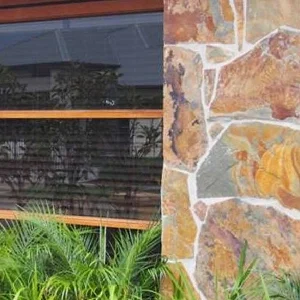
Answer: Yes, sealing is mandatory, especially due to the wide grout lines.
Protection: Sealing the stone (Bluestone, Sandstone, Travertine, Limestone, Quartzite) protects it from staining and makes cleaning simpler.
Grout Protection: Sealing the grout lines is equally important as grout is porous and attracts dirt and mould quickly. Use a penetrating, colour-enhancing or natural-look sealer.
Answer:
Hardest: Quartzite and Granite (if stocked) are the hardest, most scratch-resistant options available.
Excellent Durability: Bluestone is also extremely tough and is a common, reliable choice for heavy traffic.
Maintenance Needed: Travertine, Sandstone, and Limestone are durable but require more diligence with sealing and gentle cleaning.
Answer: Yes. Crazy Paving is excellent for pool surrounds as the required wide grout lines provide extra texture and grip, enhancing slip resistance. Bluestone and Travertine are the most popular choices here as they handle moisture and temperature extremes well.
Answer: Due to the irregular nature of Crazy Paving, you must account for a higher amount of waste compared to standard square tiles. We recommend ordering 15% to 20% extra to cover off-cuts, fitting around edges, and future repairs.
Answer: Most customers choose a mid-grey or charcoal grout to complement Bluestone or Slate, or a light beige/sand-coloured grout to complement Limestone, Sandstone, or Travertine. The key is using a colour that hides dirt well and provides a pleasing contrast to the stone.