Need a hand?
Monday – Friday (7.30am – 5pm)
Saturday (9am – 4pm)

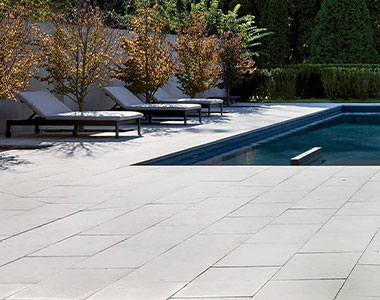
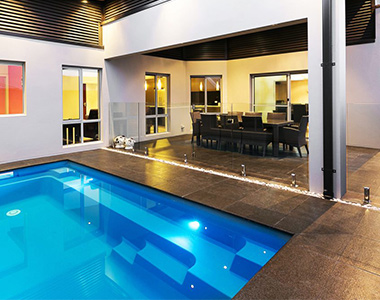
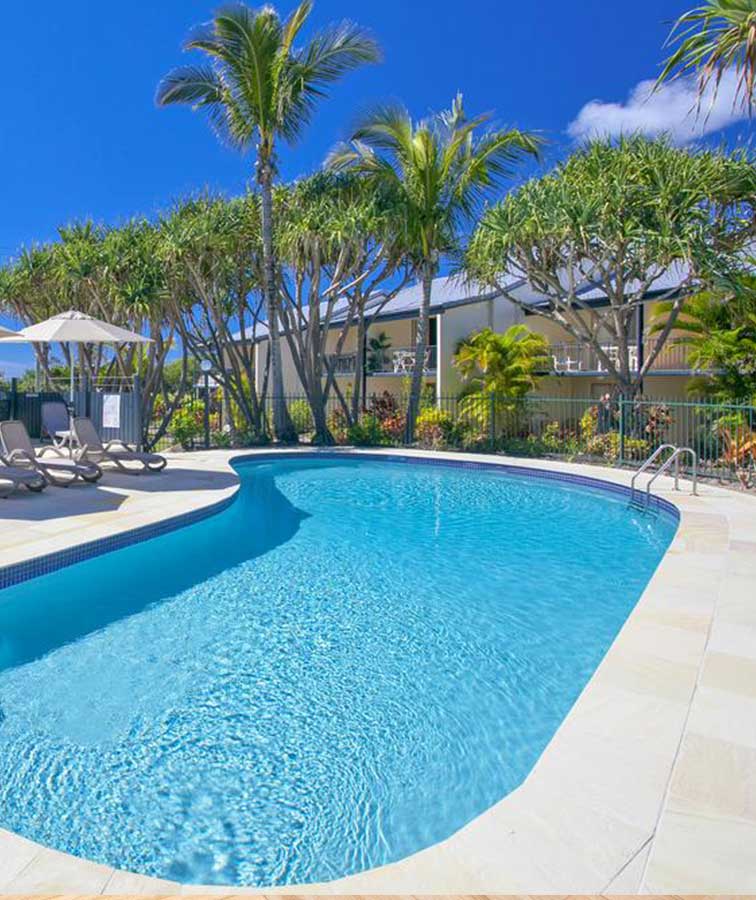
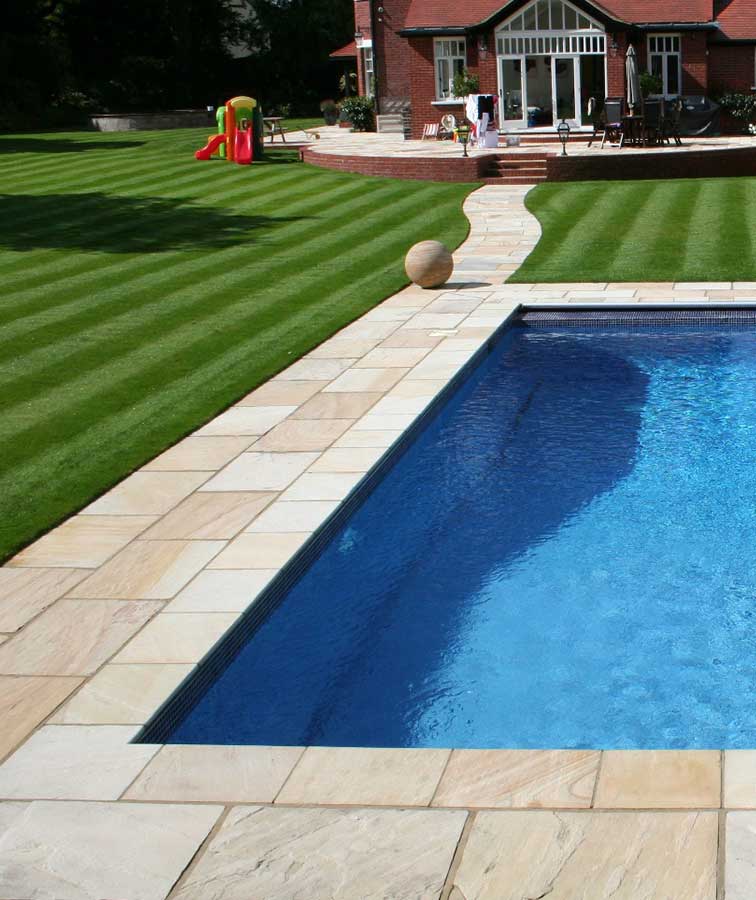
Pool Coping Tiles

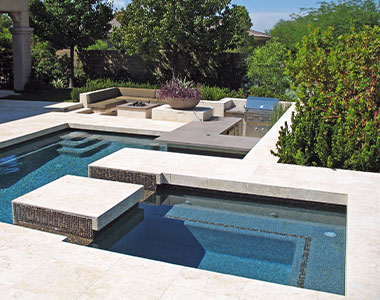
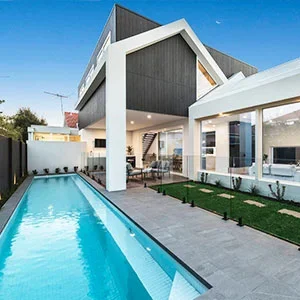
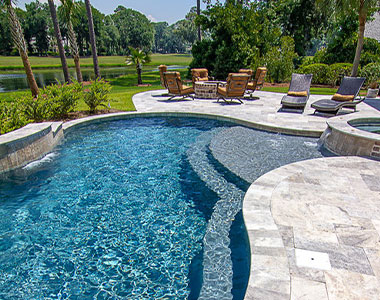
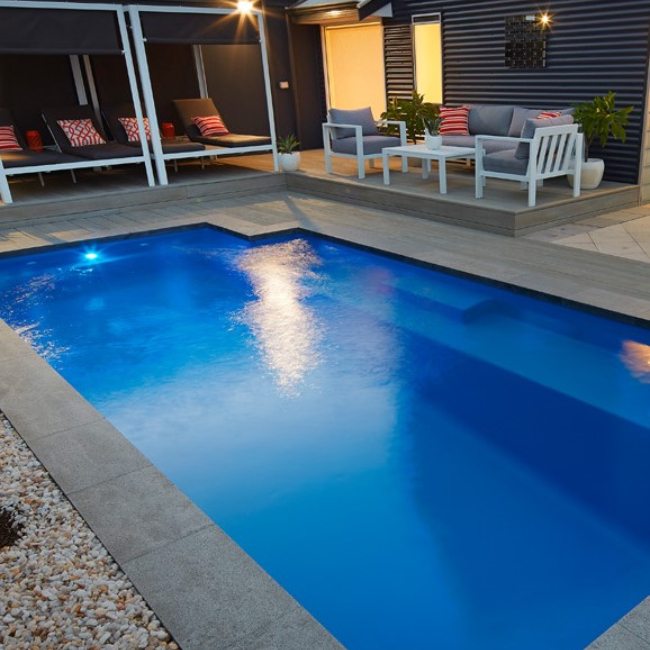
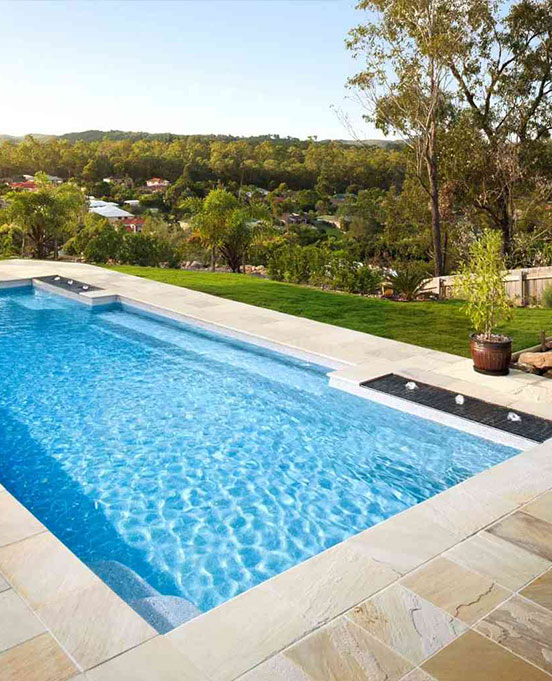
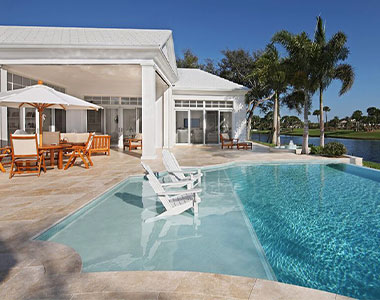
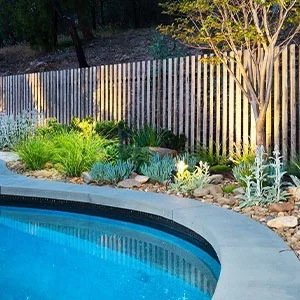
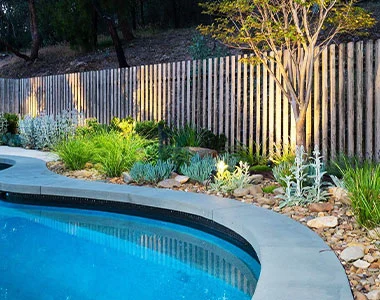
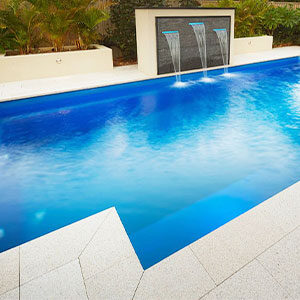
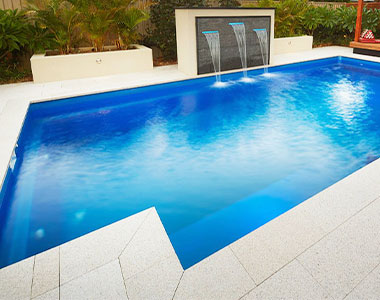
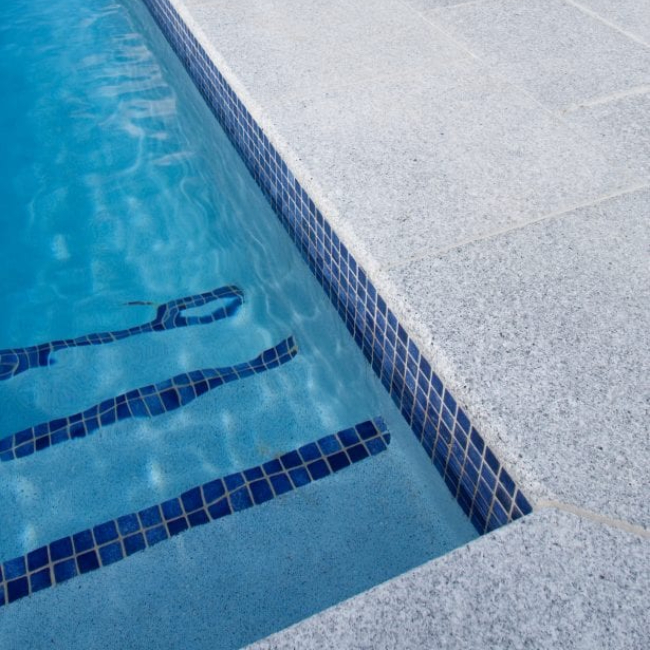
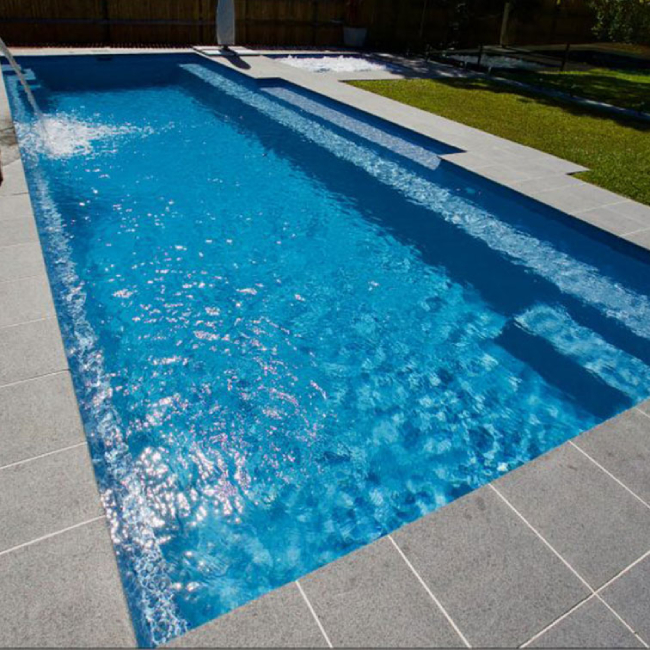
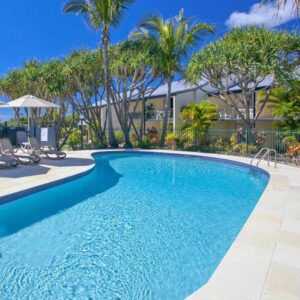
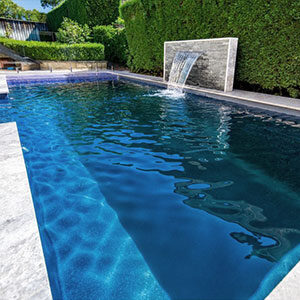
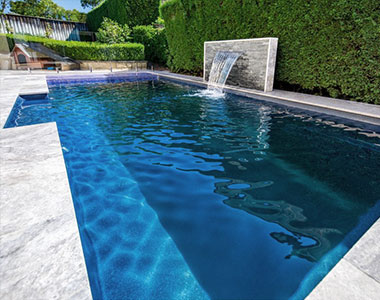
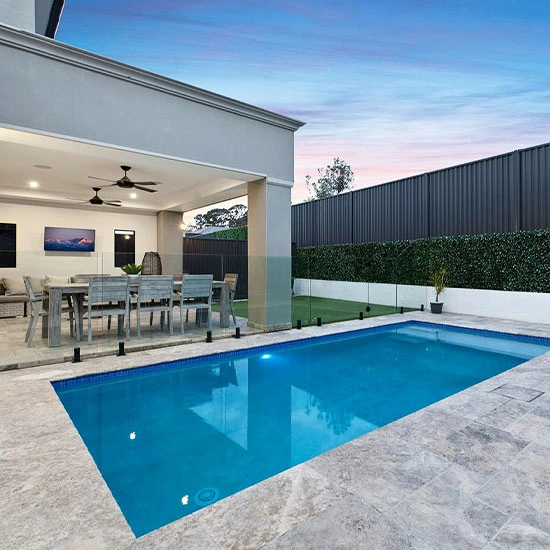
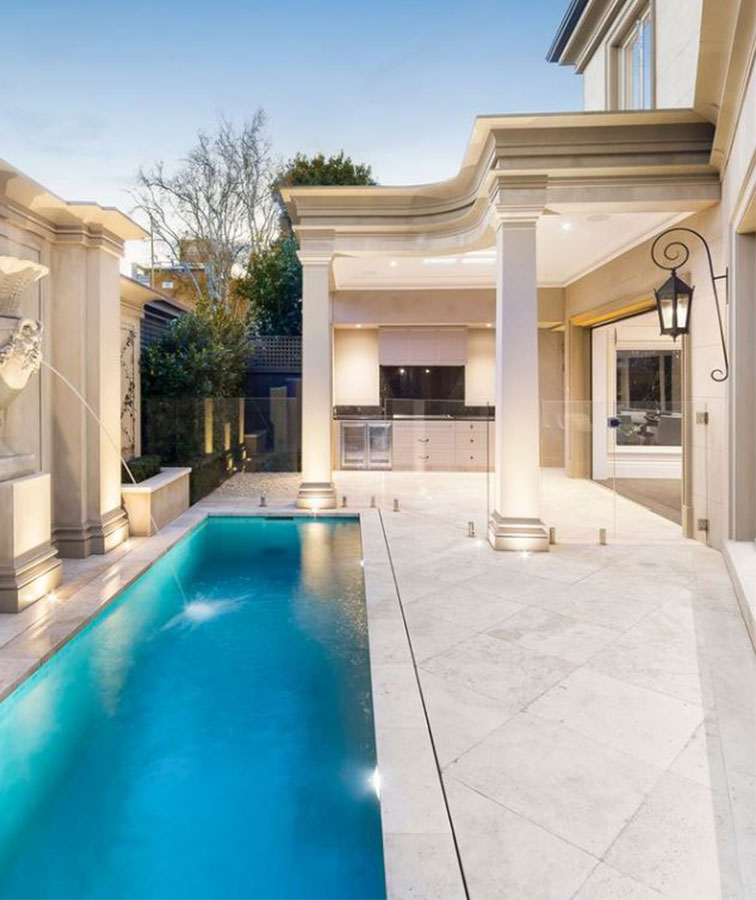
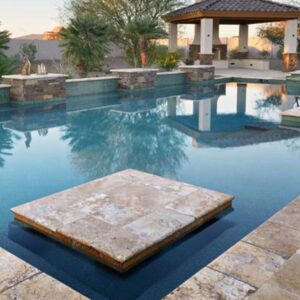
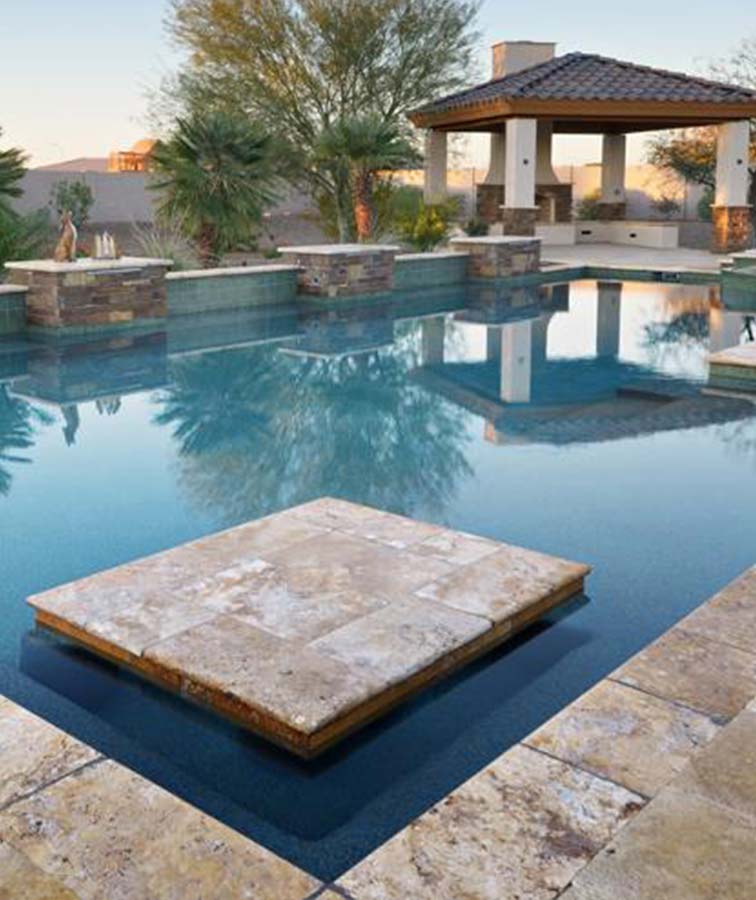
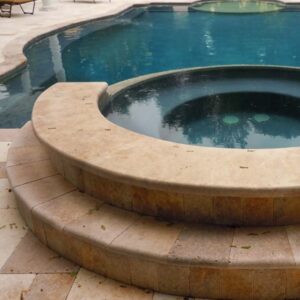
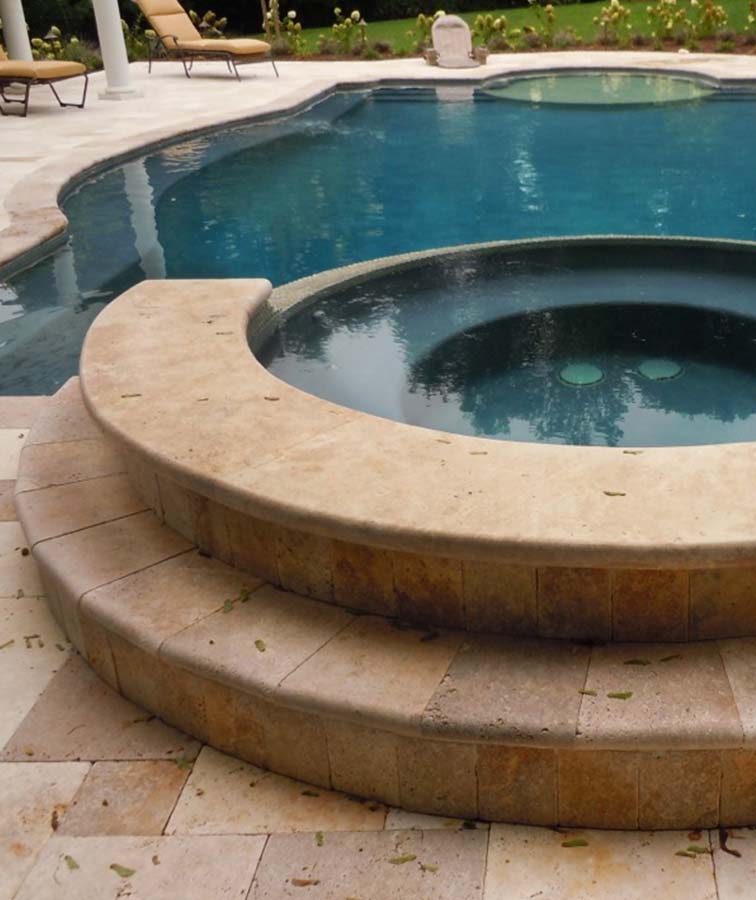
Pool renovations in the Melbourne area are handled by our Manager Steve Taylor (Over 30 years experience as a stonemason) who still runs an independent swimming pool renovation team, consisting of qualified stonemasons and landscapers. Not only can Steve and his team handle your swimming pool renovation, BUT he and his team of qualified landscapers can remodel your entire backyard whilst tiling your pool coping tiles, pool pavers and waterline tiles around your swimming pool. So come and see us if you are renovating your existing pool or simply want the pool edge coping tiled on your new swimming pool.

🏊 Pool Coping Tiles: Frequently Asked Questions (FAQ)

Answer: Pool coping serves three essential functions:

  • Safety: It provides a safe, non-slip edge around the pool’s perimeter for swimmers to grip.

     
  • Protection: It caps the pool shell edge, preventing water from getting behind the pool structure and causing damage or erosion to the foundations.

     
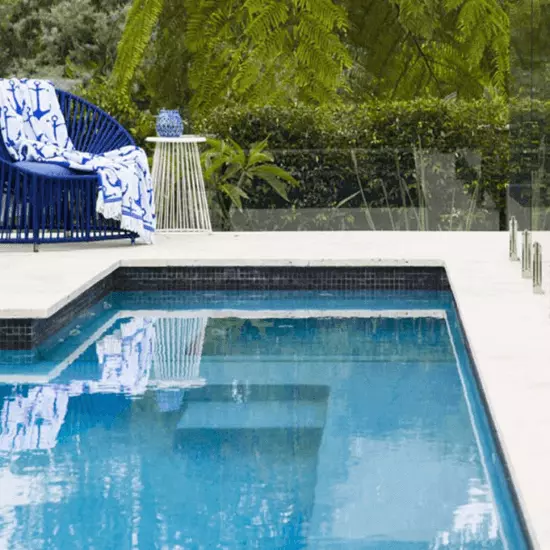
  • Aesthetics: It creates a neat, finished transition between the pool edge and the surrounding paving.

Answer: The edge profile dictates the look and safety features:4


ProfileDescriptionIdeal UseKey Benefit
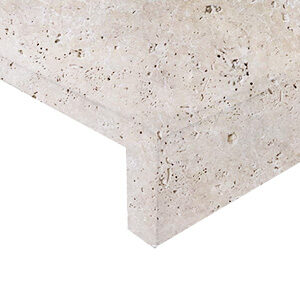
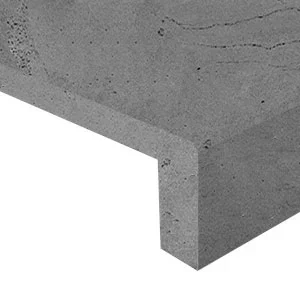
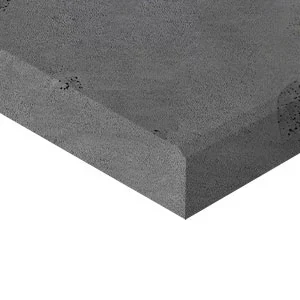
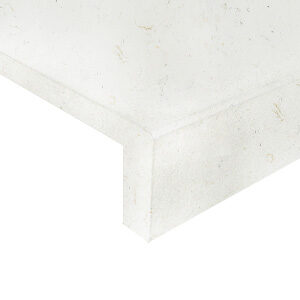
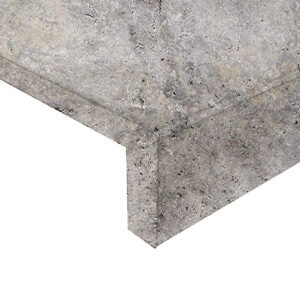
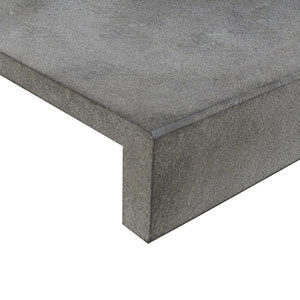
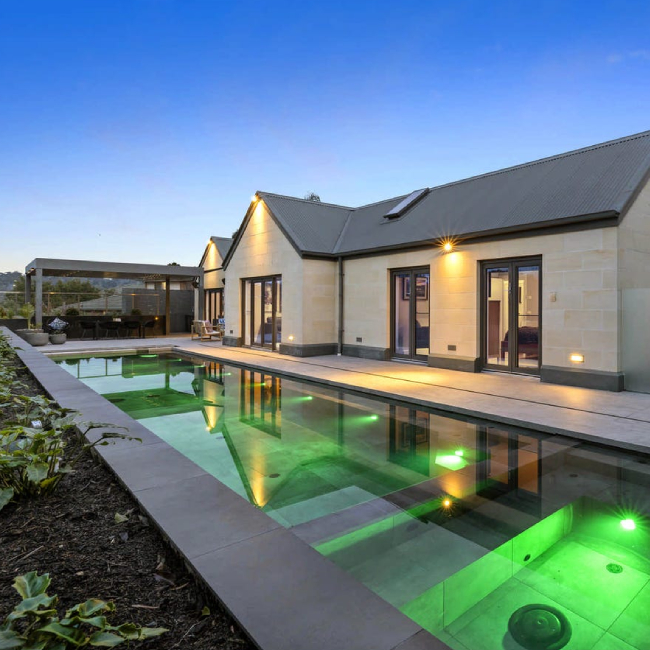
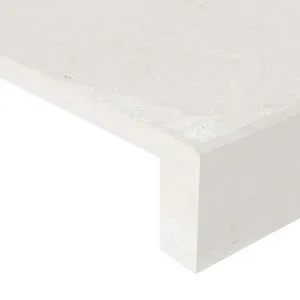
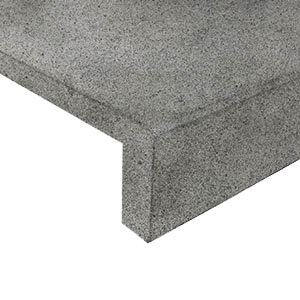
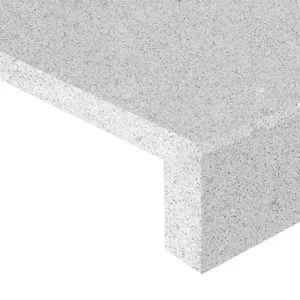
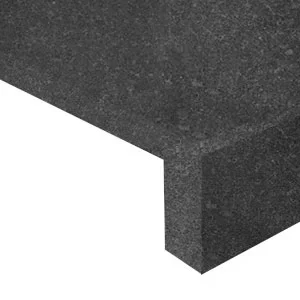
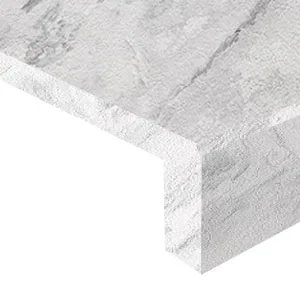
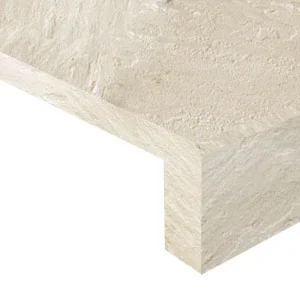
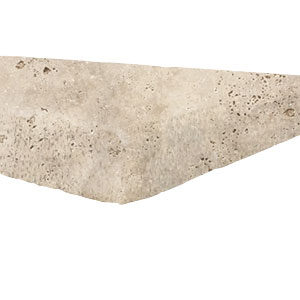
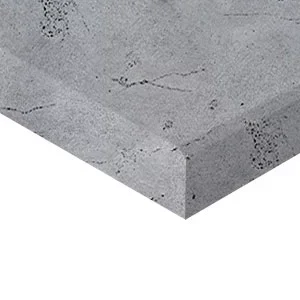
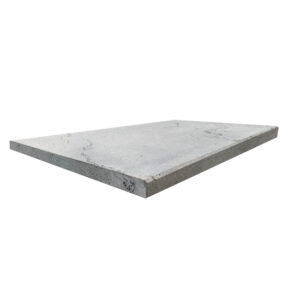
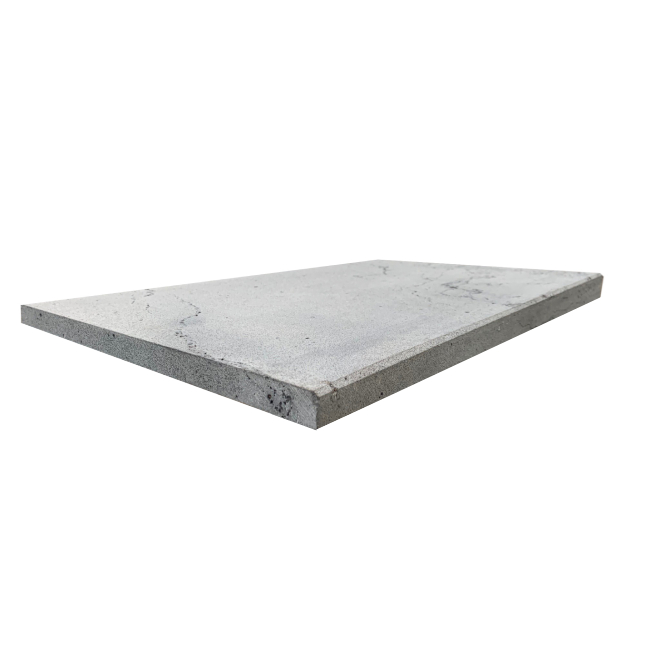
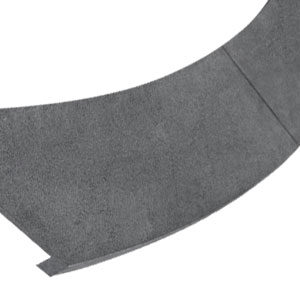
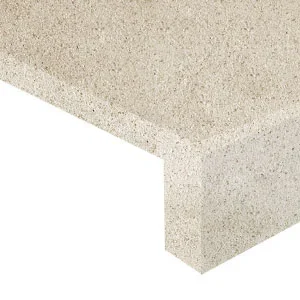
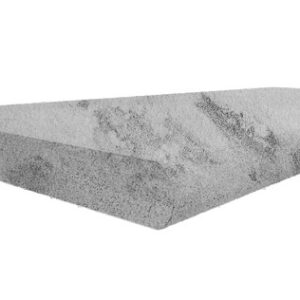
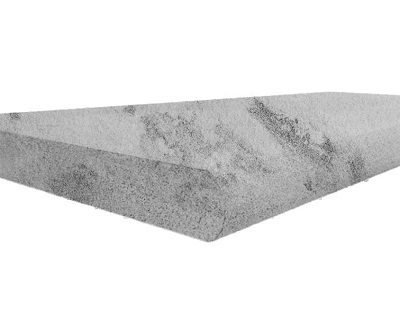
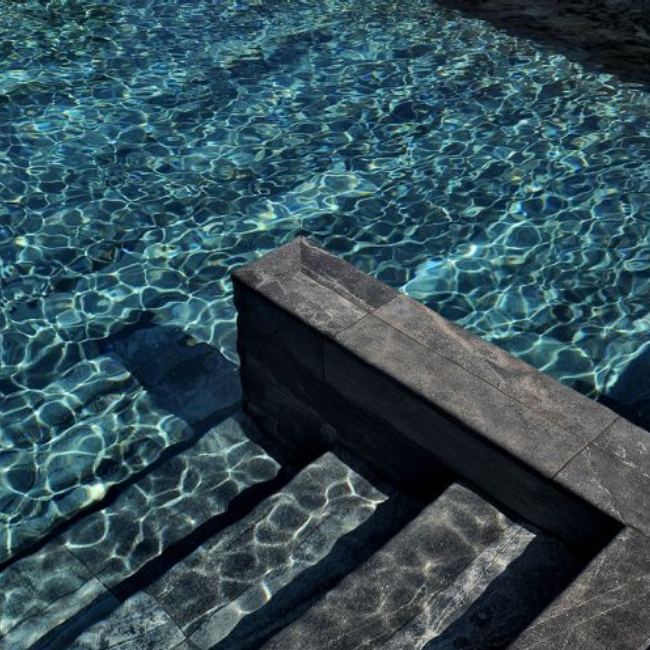
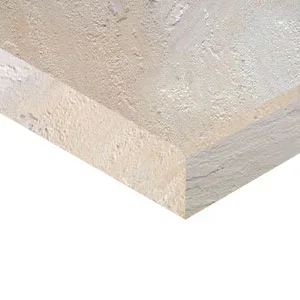
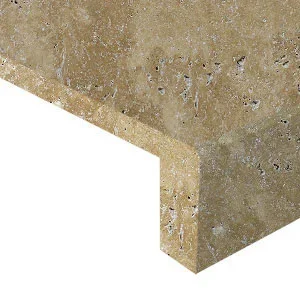
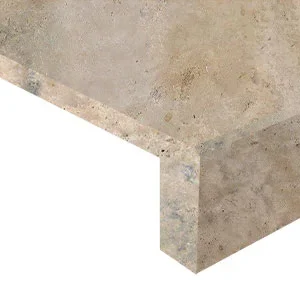
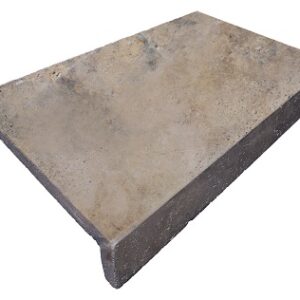
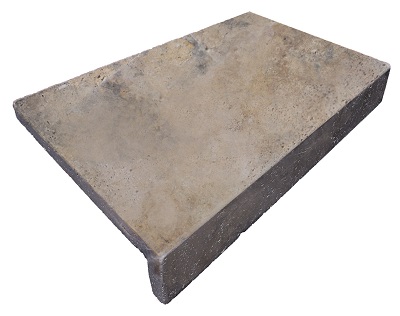
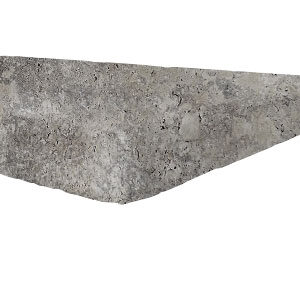
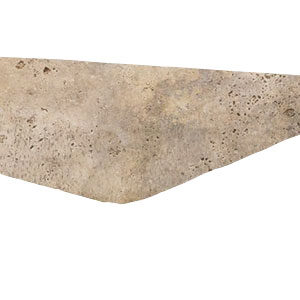
Drop FaceThe stone features a thick, vertical edge (often 50mm to 100mm) that “drops” over the pool shell.Highly contemporary, providing a strong, block-like architectural look.Solid One-Piece Construction (unlike brittle glued porcelain coping).
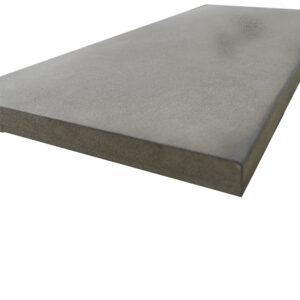
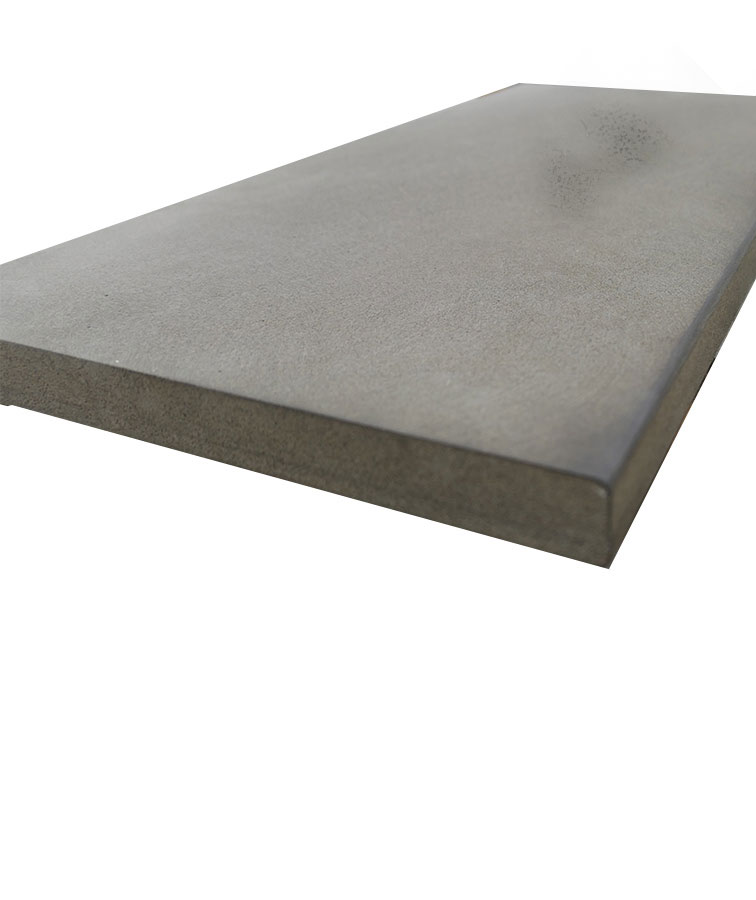
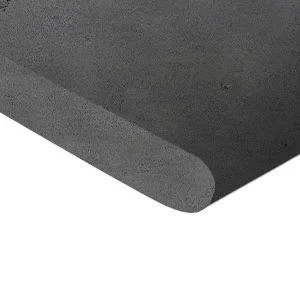
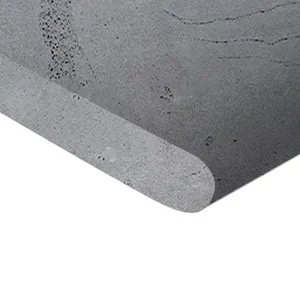
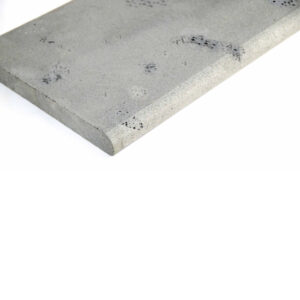
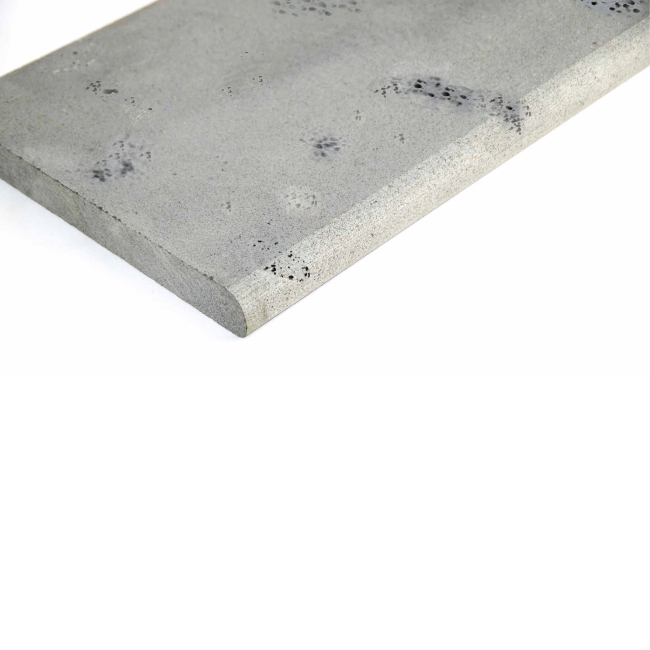
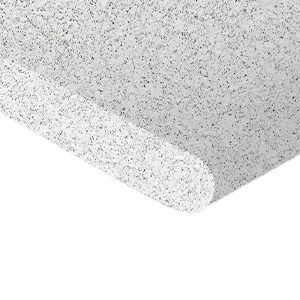
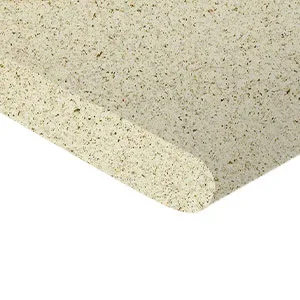
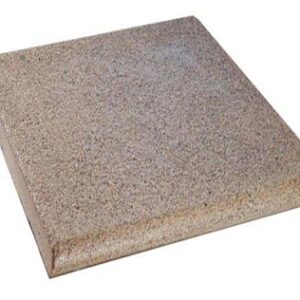
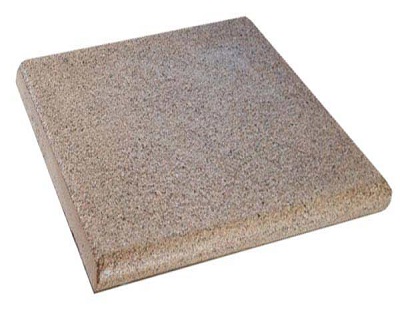
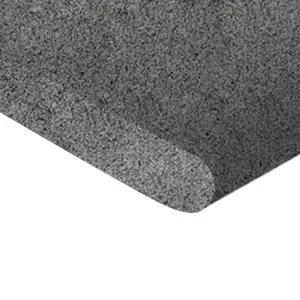
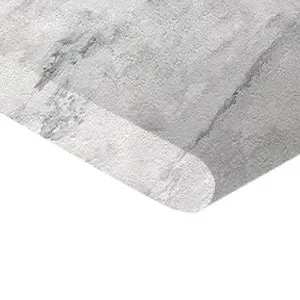
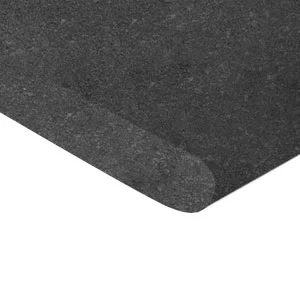
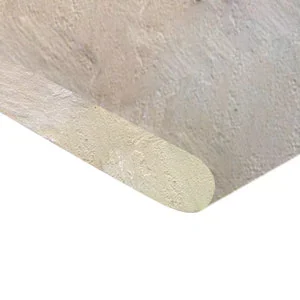
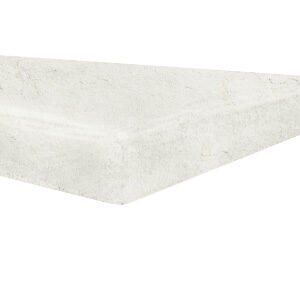
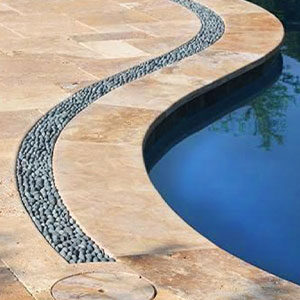
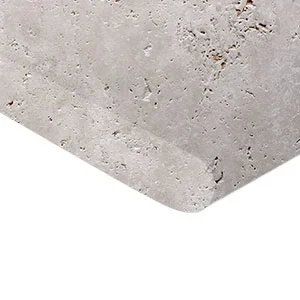
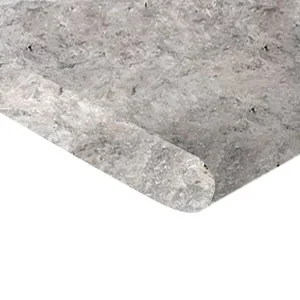
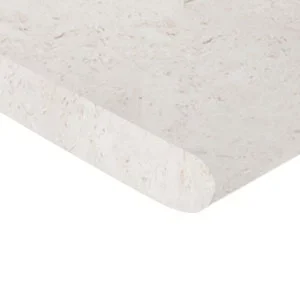
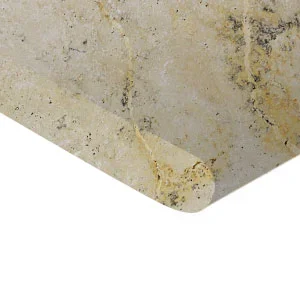
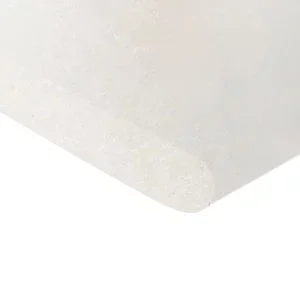
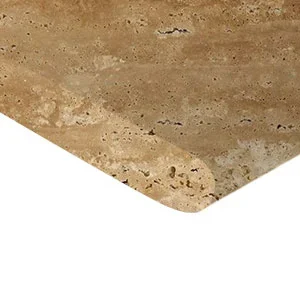
BullnoseThe edge is smoothly rounded.Classic, timeless look. Provides a comfortable, soft edge for swimmers to exit the pool.Excellent for safety and comfort, reducing sharp edges.
Tumbled EdgeThe edges are lightly chipped or worn.Rustic, informal, Mediterranean, or natural pool designs.Enhances slip resistance and blends seamlessly with tumbled pavers.

Answer: Our Drop Face coping is cut from a single, solid block of stone (e.g., Granite, Travertine). In contrast, most porcelain drop-face coping is made from two pieces glued together at a 90-degree angle.

  • Durability: Glued porcelain joints often fail due to constant expansion/contraction from heat, water exposure, and pool chemicals, leading to cracking and visible joint separation within 1–3 years.

  • Longevity: Our solid stone coping eliminates this weak point, offering superior structural integrity and a seamless, long-lasting finish.

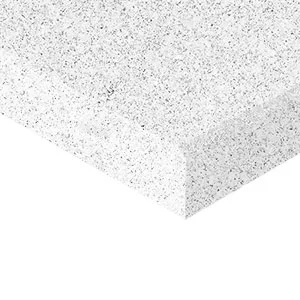
Answer: All our materials are suitable, but they have distinct benefits:

  • Travertine & Limestone: Best choice if keeping the area cool underfoot is the priority.
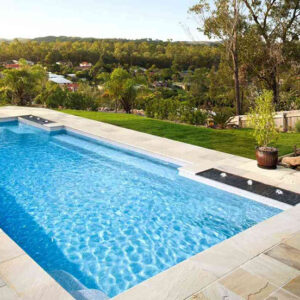
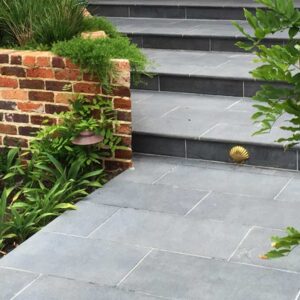
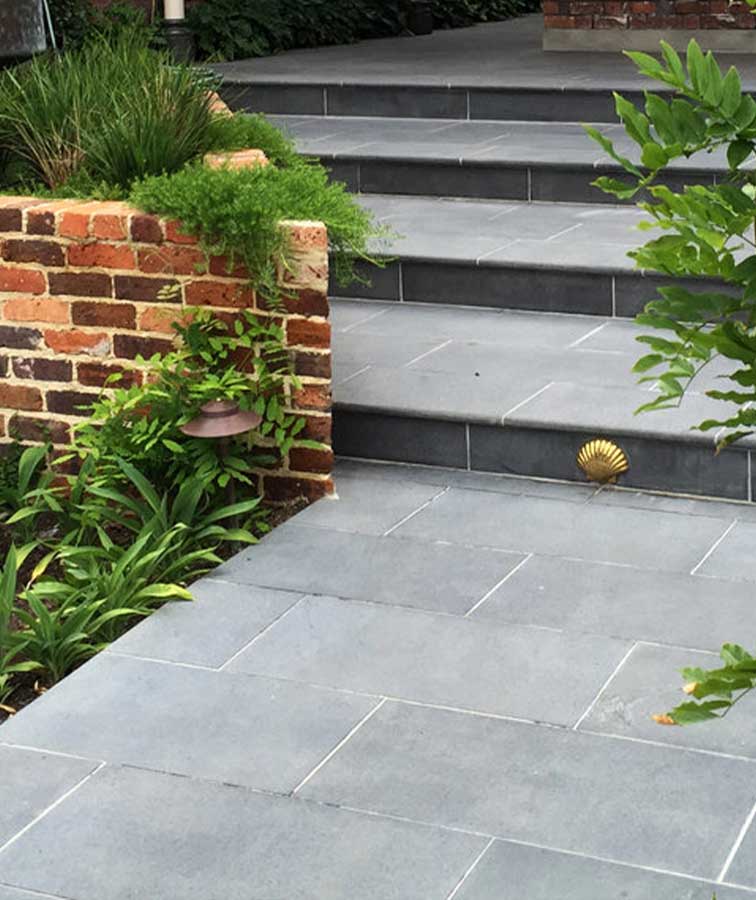
  • Bluestone & Granite: Extremely durable, slip-resistant, and suitable for freezing climates. Offers a sleek, modern aesthetic.
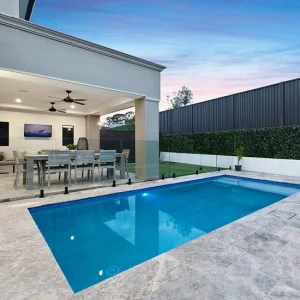
     
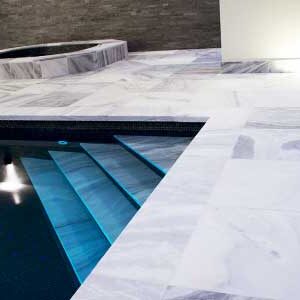
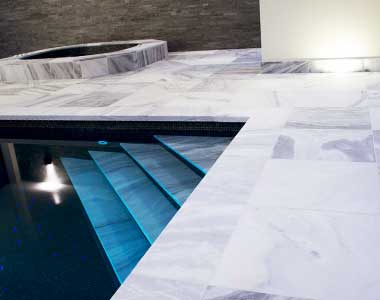
  • Marble: Provides the highest level of luxury and brightness but is often softer and requires dedicated maintenance.

Answer: Yes, sealing is absolutely essential.

  • Salt Resistance: All natural stone near a saltwater pool must be sealed with a salt-resistant, penetrating sealer to prevent the salt from penetrating the stone, which causes degradation (spalling) over time.

  • Chlorine: Sealing also protects the stone from continuous exposure to chlorinated water.

Answer: Pool coping tiles must be installed over a structurally sound concrete beam or edge. They are adhered using a specialized flexible, waterproof tile adhesive and require adequate expansion joints filled with a durable polyurethane sealant (not cement grout) between the coping and the surrounding paving to accommodate movement.

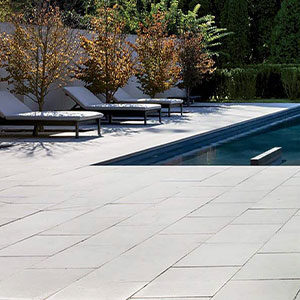
Answer: Yes. We stock matching pavers (thicker stone) or tiles (thinner stone) in the exact same material, colour, and finish as the coping to ensure a perfectly seamless and cohesive pool surround and patio area.

Answer: While the edge profile height (the drop) varies (50mm to 100mm), the stone thickness where it sits on the pool edge is typically 30mm. This standard thickness provides the necessary strength and prevents the stone from becoming too fragile.