Need a hand?
Monday – Friday (7.30am – 5pm)
Saturday (9am – 4pm)

Cobblestones

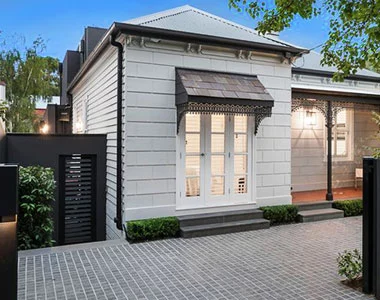
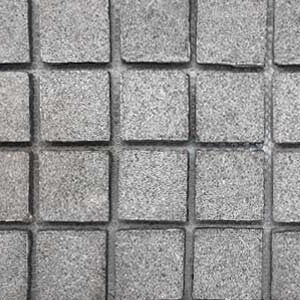
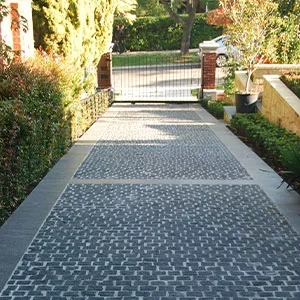
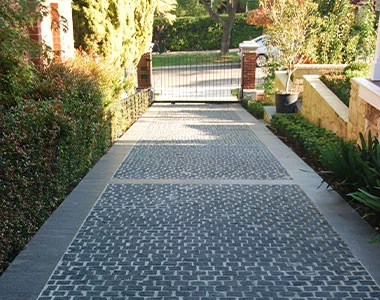
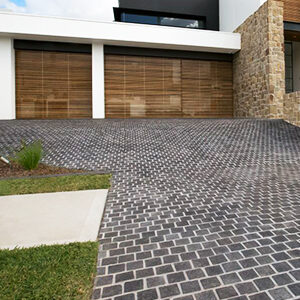
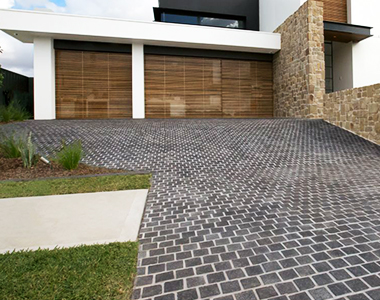
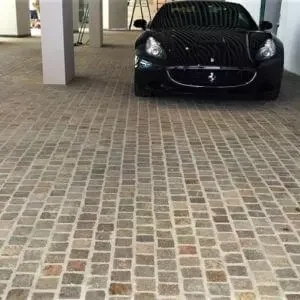
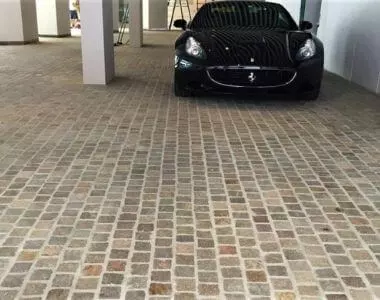
Cobblestones are little sqaure pavers which are commonly used for high grip outdoor paving. Usually, they are used for drive way pavers and paths. They may be small but they are dense. This means they can withstand a lot of pressure from contant traffic and heavy vehicles.

🧱 Natural Stone Cobblestones: Frequently Asked Questions

Answer: The main benefit is durability and load bearing. Cobblestones are usually made from extremely dense, hard-wearing igneous rock (Granite, Porphyry), making them virtually indestructible under heavy loads. Their small, tightly-grouted format allows them to withstand continuous car traffic and turning force without cracking, making them ideal for driveways.

Answer: The difference is installation speed:

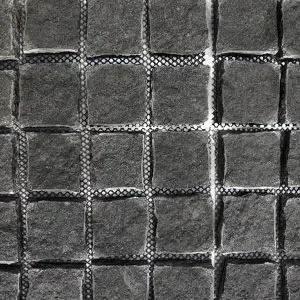
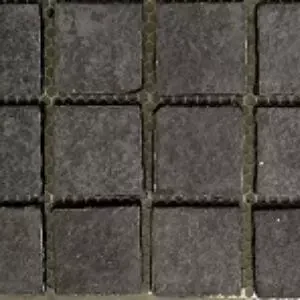
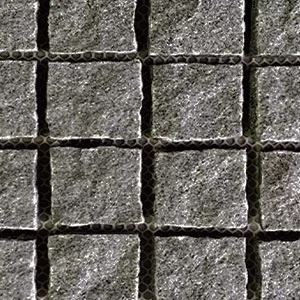
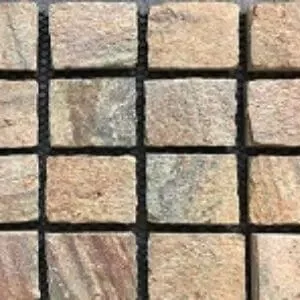
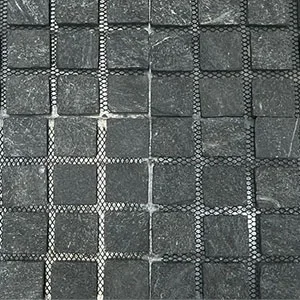
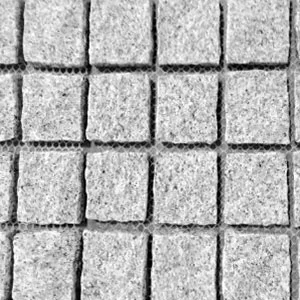
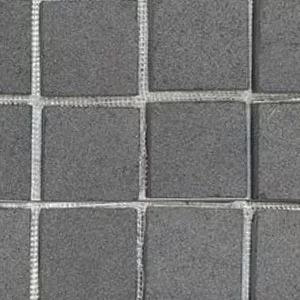
  • Mesh Sheets: Individual cobblestones are pre-glued to a mesh backing (typically $500 \times 500 \text{ mm}$). This dramatically speeds up installation time and ensures uniform spacing between cubes. This is the preferred method for large driveways and patios.

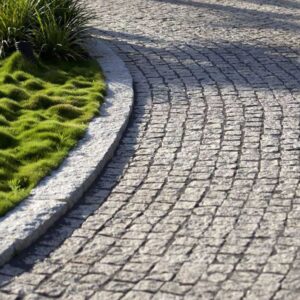
  • Loose Cubes: Individual, untrimmed cubes offer maximum flexibility for custom shapes, borders, or curved designs, but installation is more labour-intensive.

Answer: Yes, absolutely. Cobblestones (especially those in Granite, Porphyry, and Quartzite) are among the most durable materials available for driveways. They should be laid on a full concrete slab base with proper reinforcement to ensure long-term stability under vehicular weight.
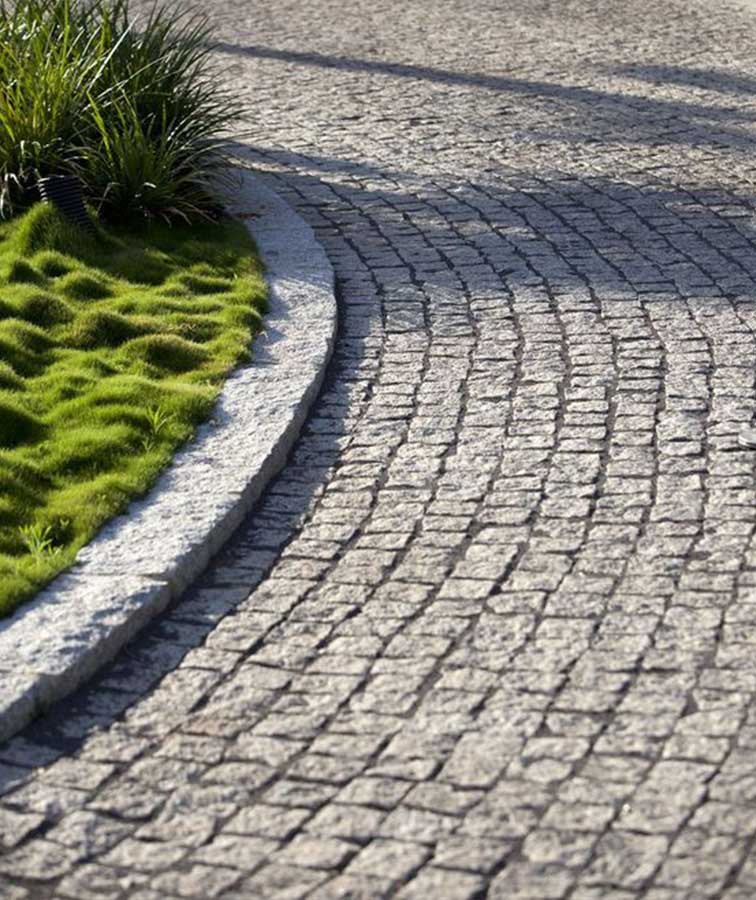
Answer: Yes, absolutely. Cobblestones (especially those in Granite, Porphyry, and Quartzite) are among the most durable materials available for driveways. They should be laid on a full concrete slab base with proper reinforcement to ensure long-term stability under vehicular weight.Accordion Content
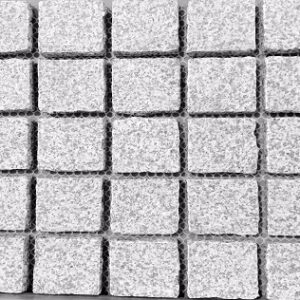
Answer: We generally recommend cobblestones with a minimum height of 50mm to 80mm for standard residential driveways. The thickness and the underlying concrete base are the key factors for load-bearing strength.

Answer: Yes, sealing is highly recommended. While the stones themselves (Granite, Porphyry) are extremely dense, sealing protects the stone from oil and petrol stains that are common on driveways. Crucially, sealing also protects the grout joints from dirt and mould, which maintains the fresh look of the paving.

Answer: All are durable igneous/metamorphic stones, but they offer distinct aesthetics:

MaterialKey CharacteristicsAesthetic
GraniteExcellent hardness, crystalline structure.Speckled, classic salt-and-pepper look.
BluestoneVery dense basalt, fewer natural variations.Uniform, deep charcoal/dark grey colour.
PorphyryExtremely hard, fine-grained volcanic rock.Highly durable, often features muted reds and browns.
QuartziteVery hard metamorphic rock, rich in quartz.Sparkles slightly; highly durable and very low porosity.

Answer: Cobblestones are very forgiving. The best cleaning method is usually a simple high-pressure water cleaner (Gerni), which easily removes dirt and grime from the textured surface and grout lines. Use a pH-neutral stone cleaner for any stubborn oil or grease stains before pressure washing.

Answer: While slightly less smooth than large pavers, they are perfectly suitable for pathways. The exposed surface of the cobblestones is non-slip and highly durable. Proper installation with flush grouting ensures a smooth enough surface for walking without tripping hazards.

Answer: The grout colour choice significantly impacts the final look:

  • Contrasting Look: Using a light grey or off-white grout makes the darker stones (Bluestone/Granite) “pop” and highlights the individual texture of each cube.

  • Seamless Look: Using a charcoal or dark grey grout creates a more cohesive, uniform surface that blends the joints into the stone colour.

Answer: Yes. It is very common to use the mesh sheets for the main body of the driveway or path and then use loose cubes cut to size to create the clean, straight edges, borders, or curved transitions around garden beds.