Need a hand?
Monday – Friday (7.30am – 5pm)
Saturday (9am – 4pm)

Stepping Stones

Create Gorgeous Garden Pathways with Natural Stone Stepping Stones – Only at Stone Pavers Australia (Melbourne)

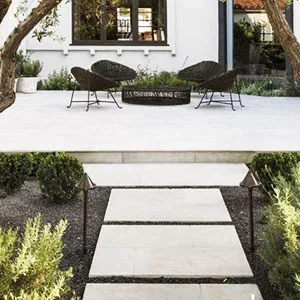
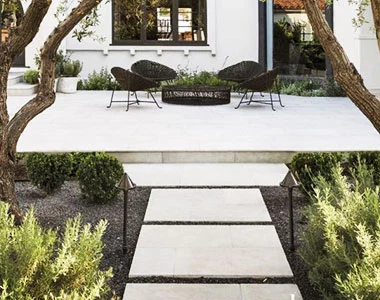
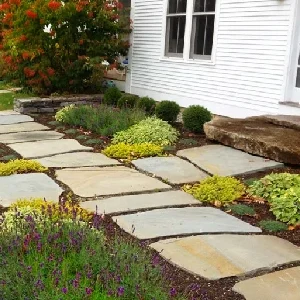
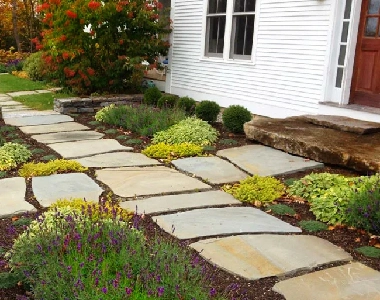
Turn your Melbourne backyard into something straight out of a magazine with our premium natural stone stepping stones. Perfect for winding garden paths, lawn walkways, or leading to that secret seating spot.

Choose the vibe you love:

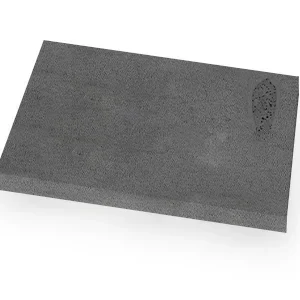
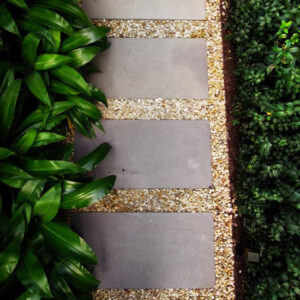
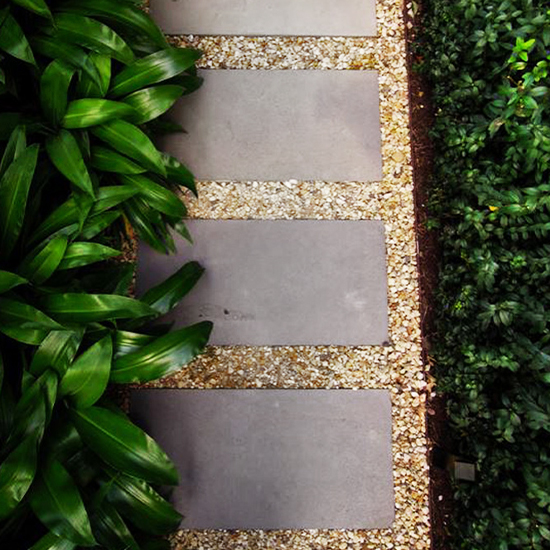
  • Bluestone Steppers – Classic dark charcoal-grey (the true Melbourne look). Tough as nails, stays non-slip when wet, and looks better every year.
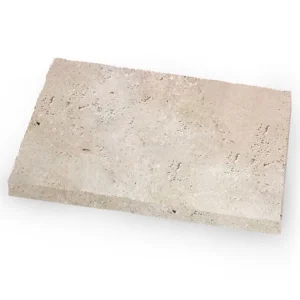
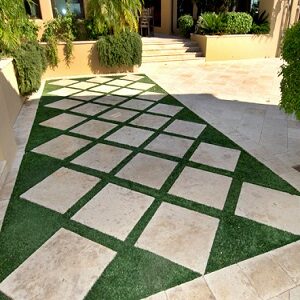
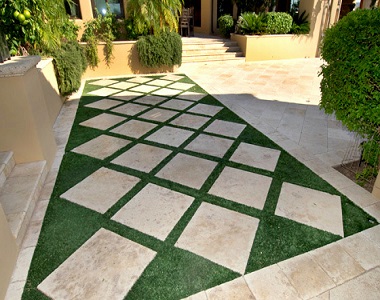
  • Travertine Steppers – Light creamy tones with natural pits and texture. Feels like you’re walking through a Tuscan villa garden. Stays cooler underfoot in summer.
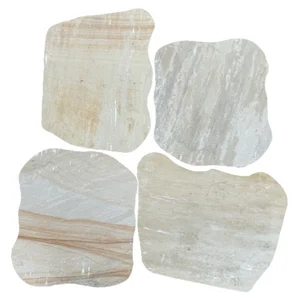
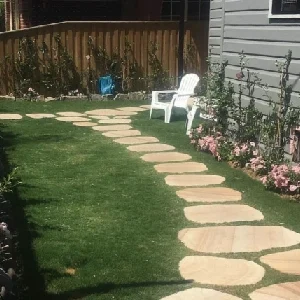
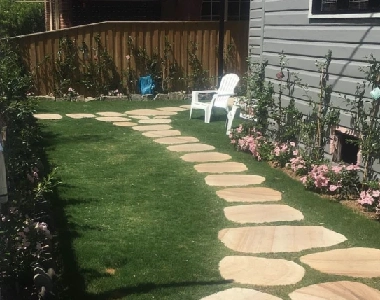
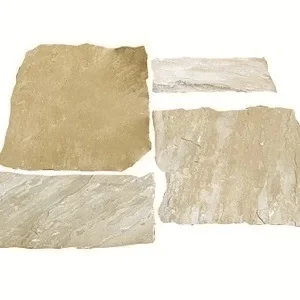
  • Sandstone Steppers – Warm golden and honey shades that glow in the afternoon sun. Australian quarried options available – nothing beats real local sandstone.
  • Limestone Steppers – Soft whites and beiges for that Hamptons/coastal feel. Super elegant and surprisingly hard-wearing.

All stones are hand-selected, thick (30-50 mm), and come in random oversized shapes or neat rounds/squares. Lay them straight onto grass, gravel, or mortar them in for a permanent feature.

Huge range in stock right now at our Melbourne warehouse – pop in, walk on them, and take a few home the same day. Prices start from just $12 each for Bluestone – seriously good value.

🌿 Natural Stone Stepping Stones: Frequently Asked Questions

Answer: Natural stone steppers offer superior benefits compared to concrete or synthetic materials:

  • Durability: They are extremely hard-wearing and resistant to cracking, fading, and chipping.

  • Aesthetics: Each piece is unique, offering a natural, premium, and seamless look that blends into garden landscapes.

  • Safety: The stones’ natural texture provides excellent, inherent slip resistance, which is crucial for garden paths.

Answer: The installation method depends on the look you want and the base:

  • Over Lawn/Gravel (Most Common): Dig out the shape of the stone, lay a compacted road base or crusher dust, set the stone level, and backfill with soil or pebbles/gravel.

  • Over Concrete Slab: The stones can be adhered directly to a concrete base using a suitable flexible adhesive, similar to paving.

  • Spacing: Steppers are typically spaced at a natural walking stride (usually 450mm to 600mm centre-to-centre).

That is a fantastic product range. Stepping stones (or steppers) are a high-demand item, blending landscaping aesthetics with functional paving.

Here are the essential FAQs for customers purchasing your Bluestone, Sandstone, Travertine, and Limestone Stepping Stones:


🌿 Natural Stone Stepping Stones: Frequently Asked Questions


1. What are the key benefits of using natural stone for stepping stones?


Answer: Natural stone steppers offer superior benefits compared to concrete or synthetic materials:

  • Durability: They are extremely hard-wearing and resistant to cracking, fading, and chipping.

  • Aesthetics: Each piece is unique, offering a natural, premium, and seamless look that blends into garden landscapes.

  • Safety: The stones’ natural texture provides excellent, inherent slip resistance, which is crucial for garden paths.


2. How should I install the stepping stones?


Answer: The installation method depends on the look you want and the base:

  • Over Lawn/Gravel (Most Common): Dig out the shape of the stone, lay a compacted road base or crusher dust, set the stone level, and backfill with soil or pebbles/gravel.

  • Over Concrete Slab: The stones can be adhered directly to a concrete base using a suitable flexible adhesive, similar to paving.

  • Spacing: Steppers are typically spaced at a natural walking stride (usually 450mm to 600mm centre-to-centre).


3. Which stone material is best for my garden?


Answer: The best choice depends on your climate and desired look:

MaterialKey AestheticIdeal ApplicationKey Consideration
BluestoneModern, dark charcoal/greyHigh-traffic areas, contemporary gardens.Gets warmer in direct sun than lighter stones.
SandstoneRustic, earthy tones (yellows, creams)Traditional gardens, casual paths.Softer; requires more sealing to prevent staining.
TravertineClassic, porous, light beige/ivoryPoolside paths (stays cool underfoot).Must be sealed, especially if exposed to chemicals or salt.
LimestoneFine-grained, subtle grey/creamElegant, low-traffic areas, formal gardens.Requires careful cleaning (avoiding acids).

Answer: Our steppers come in two main styles:

  • Irregular (Organic): These are natural, free-form shapes, offering a completely organic, non-uniform path that blends seamlessly with gardens and lawns.

  • Regular/Jumbo: These are cut into large squares or rectangles (e.g., $600 \times 400 \text{ mm}$), offering a more formal, structured, and modern walkway.

Answer: Yes, sealing is highly recommended for all natural stone stepping stones.

  • Protection: Sealing protects against leaf tannins, dirt, oil, and moisture penetration, which prevents mould/moss growth and simplifies cleaning.

  • Enhancement: Sealers can also be used to enhance the stone’s colour, providing a “wet look” finish if desired.

Answer: Any stone left exposed to moisture and shade can develop moss or algae.

  • Prevention: Use a good quality penetrating sealer and ensure the stones are installed so water drains away freely.

  • Cleaning: Use a neutral cleaner or a gentle pressure cleaner to remove biological growth if it occurs.

Answer: Our stepping stones are typically available in a thickness range of 30mm to 40mm. This thickness is strong enough to withstand heavy foot traffic, minor ground movement, and direct laying over a compacted earth or sand base without cracking.

Answer: The number needed depends on the stone size and desired gap, but a rough estimate is 1.5 to 2.5 stepping stones per linear metre. To calculate accurately, measure your intended path length, determine your preferred walking stride (usually 600mm), and deduct the stone size to find the required quantity.

Answer: The primary stabilization comes from the compacted base material (road base or crusher dust) and ensuring the stone is set firmly into the ground so it is flush or slightly above the surrounding soil/lawn. Once the backfill is settled, the stone’s weight and the tight packing of the base prevent lateral movement.